Before you get a reptile: a long life, special needs, costs and the right source
It doesn't bark, doesn't shed fur, doesn't need walks. That's why reptiles are often thought of as "easy" pets; according to the RSPCA, exotic pets are often wrongly considered easy to keep. In reality, reptiles can live for decades and need a home with controlled heat and light, specialist food and a vet who knows them. This article brings together the questions to ask yourself before you bring a reptile home. Our goal isn't to talk you out of it; it's to help you make the right decision.
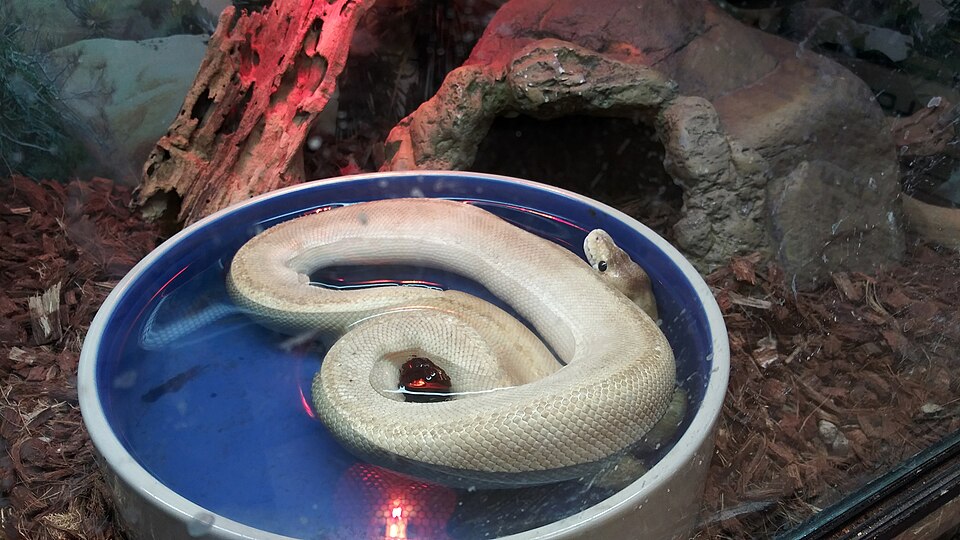
- A long promise: According to the Merck Veterinary Manual, a leopard gecko can live more than 20 years, a ball python 15–20 years, and some tortoises more than 50 years.
- A wild animal: According to RSPCA Australia, even captive-bred reptiles are essentially wild animals, not domestic ones.
- Costs: On top of the setup, electricity, food and vet bills keep coming every month.
- A specialist vet: According to the CDC, most vets don't treat reptiles; find one ahead of time.
- Not from the wild: Don't take an animal caught in the wild, and never release a reptile you can't care for into the wild.
- Your household: The CDC doesn't recommend reptiles for homes with a child under 5, an adult 65 or older, or someone with a weakened immune system.
The "easy pet" myth
According to the RSPCA's concerns about exotic pets, interest in these animals is often driven by social media, films and TV. The RSPCA gives a striking example: demand for terrapins rose after the film Teenage Mutant Ninja Turtles. Parents buy an exotic pet for their children, and the children soon lose interest. Impulse buying also often means an animal is bought without any research.
According to the RSPCA, these animals may become aggressive, grow very large, live a very long time, or need a license and paperwork to be kept legally. Exotic pets often end up in the RSPCA's care when owners find them hard to look after or the novelty wears off; some are rescued after escaping or being deliberately released. Merck also says reptiles take real commitment, even though they may seem inactive.
A reptile is a decade-long decision
According to Merck, reptiles are long-lived. Here are the lifespan ranges Merck gives for reptiles kept as pets:
| Species | Lifespan according to Merck |
|---|---|
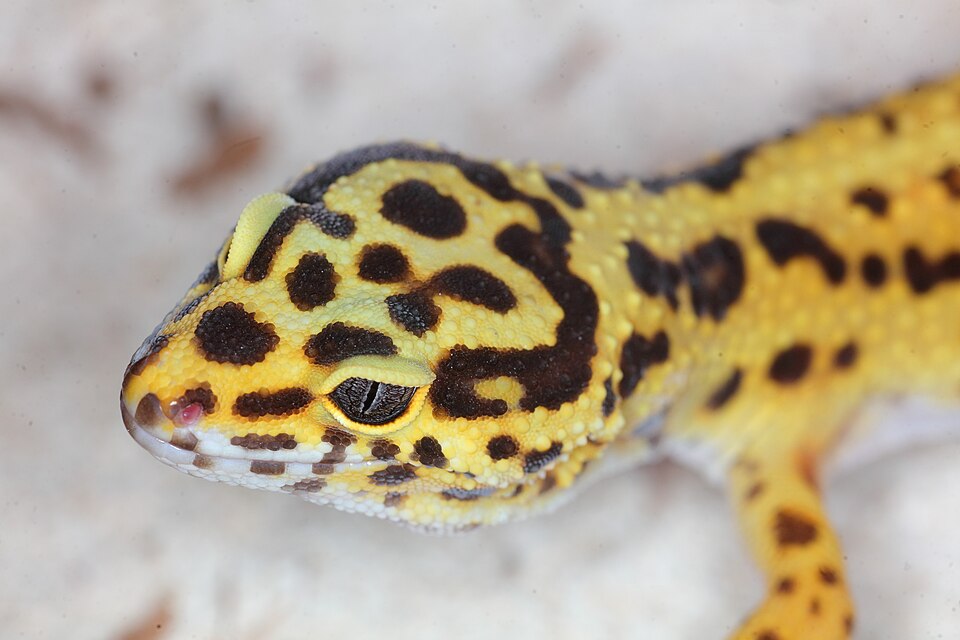
| Leopard gecko | More than 20 years |
| Ball python | 15–20 years |
| Corn snake | 10–15 years |
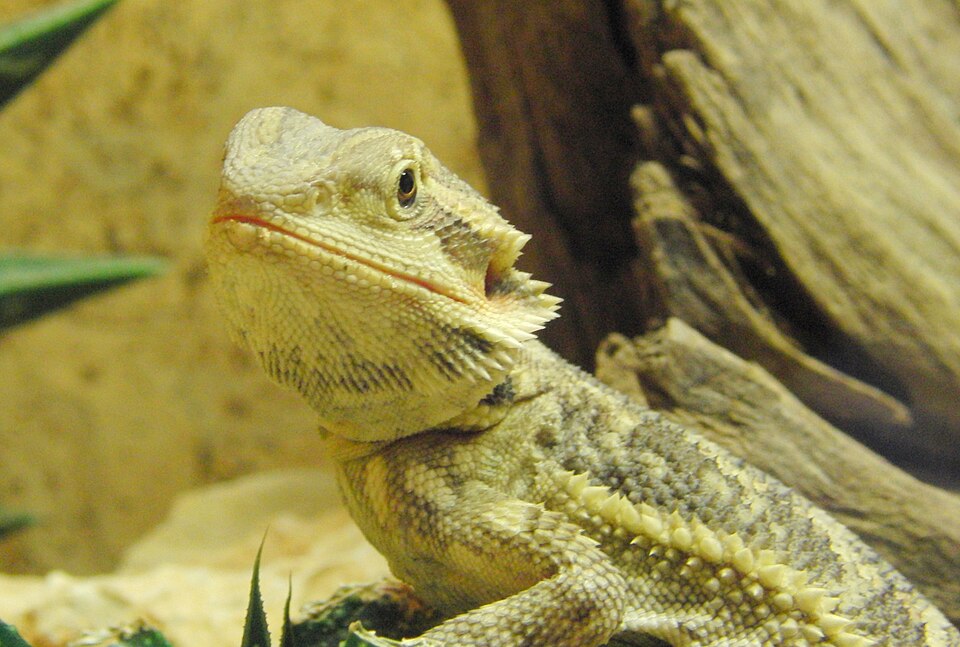
| Bearded dragon | 5–10 years |
| Eastern box turtle | 25–50 years |
| Leopard tortoise | More than 50 years |
RSPCA Australia gives similar figures: turtles can live more than 30 years, pythons more than 15 years, and blue-tongued lizards about 20 years. Sources differ a little, but a reptile usually means not a few years but decades. That's why RSPCA Australia recommends planning ahead for who will care for your pet over its whole lifetime, while you're traveling or in the hospital.
The needs of a wild animal
According to RSPCA Australia, even captive-bred reptiles are essentially wild animals, not domestic ones. The RSPCA also says that because they aren't domesticated, their needs are the same as in the wild. In practice, that means:
- Size: According to the RSPCA, some reptiles can grow very large; plan the size of the enclosure accordingly. Merck suggests asking whether your home has room for the adult animal's enclosure, not just the hatchling's. According to RSPCA Australia, a snake's enclosure should be longer than the snake when it's fully stretched out.
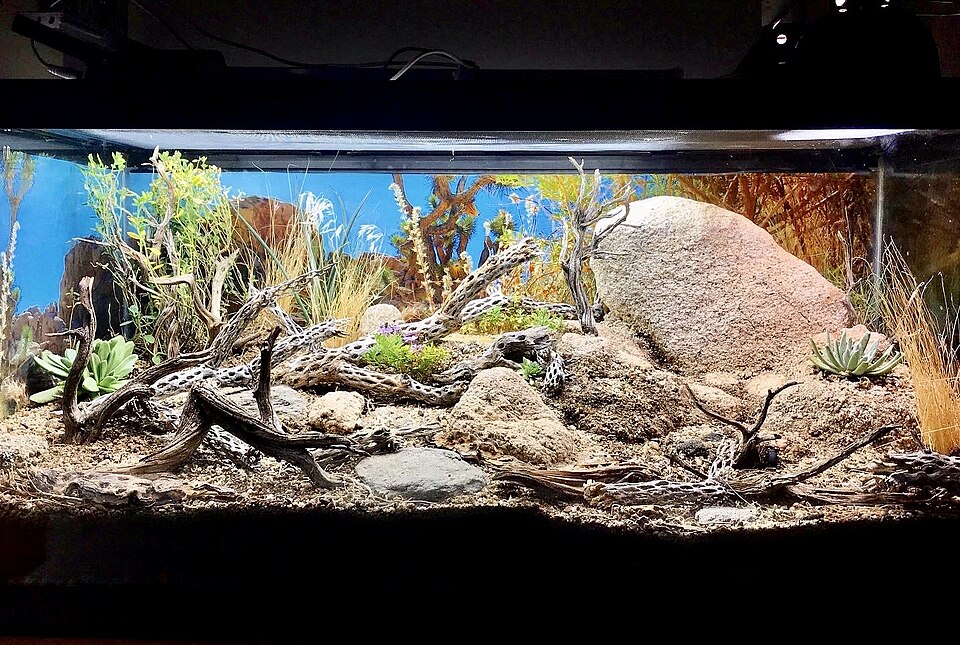
- Heat and light: According to the RSPCA, many reptiles need controlled heating and lighting, often running around the clock. Details: warm and cool ends in the vivarium, UVB and heat.
- Food: According to Merck, think about the food from the start: feeding live or frozen prey, or keeping noisy insects at home, doesn't suit everyone.
- Alone or together? The RSPCA suggests finding out in advance whether the species should live alone or with others.
- Night or day? According to the RSPCA, the animal may be active at night or during the day; think about whether that fits your routine.
- Handling: According to RSPCA Australia, even captive-bred reptiles may not cope well with handling or with the noise and bustle of a household. Details: handling a reptile the right way.
Costs: the setup and every month
The reptile itself is often a small expense next to its home. According to RSPCA Australia, the initial setup in Australia costs upwards of AU$500–1,000, plus yearly costs for electricity, vet bills, food, enrichment and cleaning products. Prices where you live may differ; but these figures give you an idea of the scale. Research prices in your area ahead of time.
According to the RSPCA, specialist food can be costly over time, and equipment and heating add to the expense. The RSPCA stresses one thing in particular: even when bills go up, don't turn down your reptile's heat or lighting.
Find a specialist vet ahead of time
According to the CDC, most veterinarians don't treat reptiles or amphibians, so you should find a vet who treats exotic animals. According to the RSPCA, a vet with exotic knowledge is vital too; but they may be far away and expensive.
- Before you get the animal: The RSPCA suggests asking whether there's a specialist vet nearby who can treat this species.
- Distance and fees: RSPCA Australia recommends finding out how far away the nearest specialist vet is, and what their routine and emergency fees are.
- Register: The RSPCA recommends registering with your nearest exotics vet before bringing your reptile home, so you can get specialist care quickly if needed.
- Ask about the species: The CDC recommends talking to a vet about the species you're thinking of getting.
Where should you get one?
- Not from the wild: According to the CDC, don't catch wild reptiles to keep as pets. The RSPCA opposes the wild-caught animal trade; make sure the animal wasn't taken illegally from the wild. For the rules on tortoises in Turkey: tortoises and the law.
- Captive-bred: According to Merck, captive-bred animals make the best pets; they're less likely to bite, more likely to accept food and less likely to carry parasites.
- Clean and spacious: Merck recommends choosing a seller or breeder whose enclosures are clean and large enough for the animals to stay healthy and comfortable.
- A rescued reptile: According to the RSPCA, many exotic pets end up in its care, and some species are hard to rehome. The RSPCA's guide to taking a reptile home also covers reptiles from rescue centers; according to it, part of the 90-day quarantine happens at the center and the rest at home.
- Paperwork and rules: According to the RSPCA, some exotic pets need a license or other legal paperwork; check before you get one. The CDC also recommends checking the rules for rented homes. According to Merck, constricting snakes such as pythons are prohibited in many areas.
Choosing a healthy animal
According to Merck, look at photos of the species as a juvenile before you buy; that way you can tell whether the animal in front of you has the right size and appearance for its age. According to Merck, a healthy snake has a rounded body, clear eyes and an alert manner; a healthy lizard struggles when it's caught, and tame ones are alert. The CDC recommends asking what the animal eats; not eating can be a sign of a health problem. If you see anything you're unsure about, talk to a vet before you take that animal home.
Think about everyone in your home
According to the CDC, children under 5, adults 65 and older, and people with weakened immune systems are more likely to get seriously ill from germs reptiles can carry; the CDC doesn't recommend reptiles for homes with these people. Pregnant women should also avoid handling feeder rodents. Details: reptiles and Salmonella.
According to Merck, never release a pet reptile into the wild, even if it's a native species; contact a humane society or your local animal control agency instead. According to the RSPCA, non-native species may not survive in the wild, and those that can survive may pose an invasive species risk to native wildlife. In the UK, it's illegal to release these animals or allow them to escape.
The first days
Once you've decided, don't rush. According to the RSPCA, the animal's home should be set up and running for at least a week before it arrives, so you can fix any problems in advance. Vivarium temperatures should also have been kept constant for at least three days before the animal arrives. Keep the journey short and protect the animal from drafts. After placing a snake in its vivarium, turn off the room lights and leave it alone until the next morning; the RSPCA recommends no handling in the first week.
If you save the details of the exotics vet you've found in Tüylüm's My vet section, you can "call your vet" with a single tap when you need to. You can set appointment reminders for checkups, and track daily and weekly tasks on the Today tab, weight with Weight tracking, and food supplies with Food & litter supplies. Everyone in your Home sees the same list.
Our care guides by species: ball python, corn snake, leopard gecko, bearded dragon, turtle. All of them: Reptiles.
Frequently asked questions
I want to get a reptile for my child. Is that a good idea?
It depends on your child's age. According to the CDC, children under 5 shouldn't touch reptiles or their environments, and the CDC doesn't recommend reptiles for homes with young children. According to the RSPCA, when exotic pets are bought for children, the children often lose interest quickly. Plan from the start for an adult to take on the animal's care and costs for years.
Can I adopt a rescued reptile?
Yes, that can be a good option. According to the RSPCA, many exotic pets end up in its care, and some species are hard to rehome. According to the RSPCA's guide, part of a rescued reptile's 90-day quarantine takes place at the rescue center; you complete the rest at home.
I can't care for my reptile anymore. Can I release it into the wild?
No. According to Merck, a pet reptile should never be released into the wild, even if it's a native species. Contact a humane society or your local animal control agency.

Keep track of your pet's care in TüylümLog vet visits, vaccine and medication dates, and we'll remind you when it's time. Share it all with your family in Home.
Sources
- RSPCA · Caring for reptiles and other exotic pets
- RSPCA · Our concerns about exotic pets
- RSPCA Australia · Are reptiles the right pet for me?
- Merck Veterinary Manual · Selecting a reptile
- CDC · Reptiles and amphibians
- RSPCA · Taking your reptile home
By Tüylüm · Published and last checked: October 26, 2026. Spotted a mistake? Write to [email protected] and we'll fix it right away. Photos are from Wikimedia Commons, used under the license shown below each photo.