Ball python care: the snake that rolls into a ball, warm hides and days without appetite
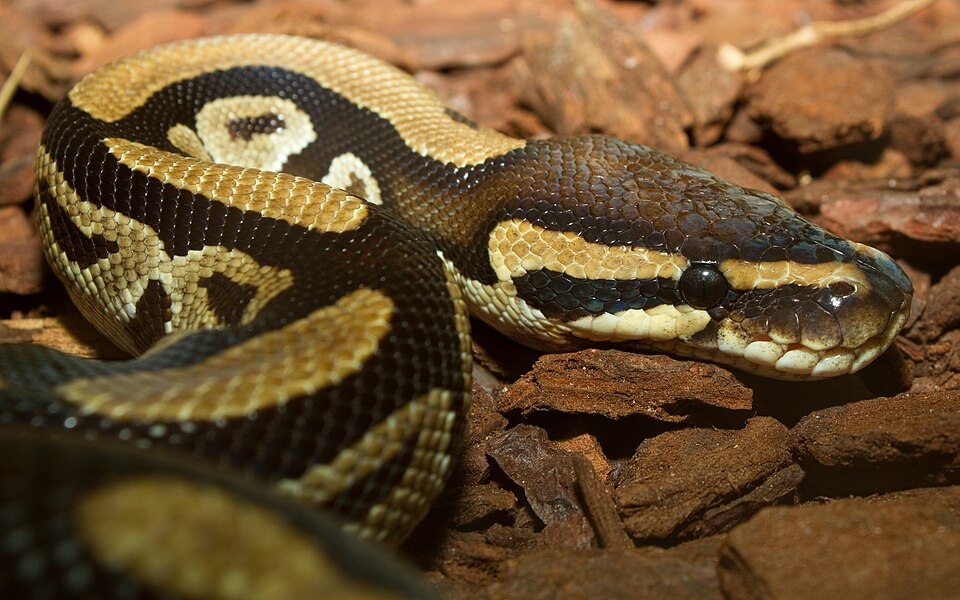
Picture a snake that, when it's frightened, buries its head in the middle of its body and curls up into a tight ball. According to the Buffalo Zoo, that's exactly what a ball python does, and that's where its name comes from; in the UK it's better known as the royal python. Its calm nature and medium size make it one of the most commonly kept snakes. But according to the RSPCA, it can live more than 20 years in captivity and needs a home where temperature, humidity and hiding places are all set up right. Most of the measurements in this article come from the RSPCA's royal python care guide.
- Long life: According to the RSPCA, it can live more than 20 years in captivity and grow to around 150 cm (about 5 ft).
- Enclosure: As long as the snake; width and height at least one-third of its length.
- Temperature and humidity: Basking spot 30–32 °C (86–90 °F), cool end 24–26 °C (75–79 °F); humidity at the cool end 50–60%.
- Food: Frozen-thawed rodents, offered with tongs; young snakes every 5–6 days, adults every 7–14 days.
- On its own: According to the RSPCA, it's a solitary species and should be housed alone.
- Days without appetite: Ball pythons are known for going off their food; but if yours suddenly stops eating, talk to your vet.
A python from West Africa
According to the RSPCA, the royal or ball python (Python regius) comes from West African countries such as Ghana, Togo and Benin. The ones kept in homes are usually captive-bred, but their needs are the same as their wild relatives'. According to Zoo New England, it's the smallest of the African pythons and lives in grasslands, sparsely wooded areas and savanna. It's entirely nocturnal: it spends the day in rodent burrows or termite mounds.
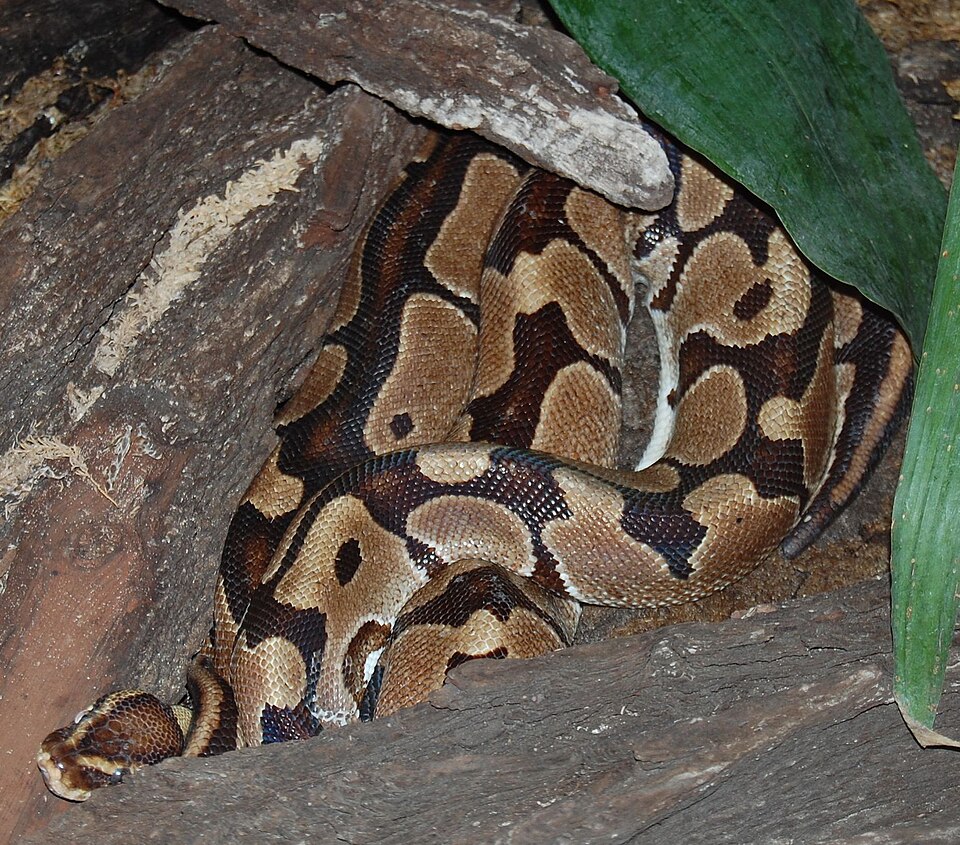
Its size varies from source to source: Zoo New England gives 92–122 cm (36–48 in) for wild snakes, while the RSPCA says they can reach around 150 cm in captivity and that males and females can differ in size. On lifespan, every source tells the same story: this is a long friendship. The Merck Veterinary Manual says 15–20 years in captivity; the RSPCA says they can live longer than 20 years; and according to the Buffalo Zoo, the oldest ball python on record was over 48 years old.
According to Merck, keeping constricting snakes such as pythons is prohibited in many areas. Before you get one, find out the rules where you live. More on this: before you get a reptile.
The enclosure: at least as long as the snake
The RSPCA's rule is simple: allow at least one-third of the snake's length for the enclosure's width and height. In the RSPCA's example, a 120 cm (about 4 ft) snake needs a vivarium at least 120 cm long, 40 cm wide and 40 cm deep. Young snakes need enclosures that grow with them; the RSPCA also suggests creating small, enclosed spaces inside a larger vivarium.
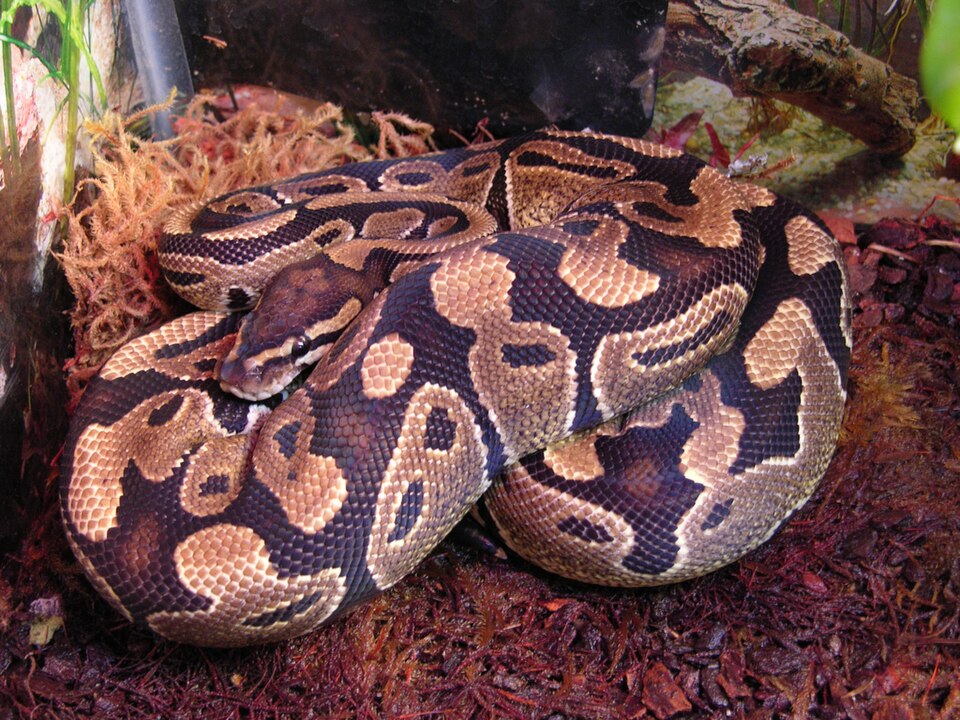
- Run it first: The RSPCA recommends setting up and running the vivarium for a week before the snake arrives; that gives you time to adjust the heat, light and humidity.
- Substrate: The RSPCA recommends organic, reptile-specific soil, which holds humidity well. Sand isn't recommended, as it may irritate the skin.
- Leaves and branches: You can use natural leaves for cover and sturdy branches for climbing. According to the RSPCA, sterilize anything you collect outdoors with boiling water first, and let leaves dry.
- Cleaning: Remove waste as soon as you see it. The RSPCA recommends cleaning the whole vivarium (walls, glass, decorations) once a month with a reptile-safe disinfectant and rinsing it well.
Hides
Ball pythons love to hide; for them, it means being safe. The RSPCA's advice:
- At both ends: Put several hides at both the warm and the cool end of the vivarium.
- A snug fit: A hide should be big enough for the snake to fit in, but small enough that its body touches the sides when it coils up.
- Heavy and opaque: According to the RSPCA's page on hides, choose one that's heavy enough not to move when the snake is inside, doesn't let light through and is easy to clean.
- Humid hide: Put damp moss inside one of them; it helps with shedding.
Temperature, humidity and light
According to the RSPCA, one end of the vivarium should be warm and the other cool; the snake chooses its own temperature by moving between them.
| Setting | According to the RSPCA |
|---|---|
| Basking spot | 30–32 °C / 86–90 °F (with a guarded 60–100 watt heat lamp connected to a thermostat) |
| Cool end | 24–26 °C / 75–79 °F |
| Night | A heater that gives off no light (a ceramic heater or reptile radiator), on a thermostat |
| Humidity (cool end) | 50–60%; mist to raise it to about 80%, letting it drop in between |
| UVB | A low-output 2–7% tube; UV index 1.0 at the basking spot, zero in the shade |
| Light | On a timer, 12 hours on and 12 hours off; all lights off at night |
- For hatchlings: For hatchlings in a small enclosure, the RSPCA recommends a heat mat set to 32 °C (90 °F) on an on/off thermostat; the mat should go under the enclosure or be protected by a guard.
- Check every day: Thermostats aren't always accurate. Check the temperature at both ends every day with a thermometer, at the level where the snake sits.
- If humidity is too high: Increase ventilation. Measure humidity with a hygrometer.
- Color morphs: According to the RSPCA, albino and some other morphs should have a UV index of no more than 0.7 at the basking spot.
More details: warm and cool ends in the vivarium and UVB and heat for reptiles.
Feeding: frozen-thawed rodents
The RSPCA recommends feeding ball pythons frozen-then-thawed rodents; for variety, multimammate mice and a quail about once a month can also be offered.
- Size: Prey should be slightly wider than the widest part of the snake's body.
- With tongs, inside: Offer food inside the vivarium, using tongs.
- How often? Young snakes every 5–6 days, moving up in prey size as they grow. Adults eat every 7–14 days, depending on their weight.
- Weigh: Weigh your snake regularly so it doesn't become underweight or obese.
- Supplements: According to the RSPCA, supplements aren't needed if the prey is good quality.
- Water: A water dish at the cool end, big enough for the snake to bathe in. Change it at least once a day, and right away if it gets soiled.
According to the CDC, freezing doesn't kill germs in feeder rodents. Use a separate container for thawing; never thaw them in the kitchen sink or the microwave. Keep pet food away from human food and wash your hands after touching it. According to the CDC, children under 5, adults 65 and older, pregnant women and people with weakened immune systems shouldn't handle feeder rodents. Details: reptiles and Salmonella.
Days without appetite
According to the RSPCA, royal pythons have a reputation for going off their food. Because pythons use little energy, they may not feed as often as other snakes. That's why the RSPCA suggests asking about a snake's feeding history before you get it. In the cooler months, you may see a hibernation-like slowdown (brumation); but according to the RSPCA, don't try to encourage it in a royal python.
If your snake has suddenly stopped eating, is losing weight, or you hear a whistling sound when it breathes, talk to a vet experienced with reptiles without delay.
Getting it used to handling
The RSPCA's advice:
- Wait the first week: Don't handle your snake much during its first week at home; let it settle in.
- 48 hours after feeding: Don't handle it for 48 hours after a meal.
- Wash your hands first: Don't handle your snake after touching prey.
- Never grab, support the whole body: Never try to grab the snake; lift it from underneath.
- Keep it short: No more than about 10–15 minutes at a time, depending on the room temperature; longer can lower its body temperature.
- The "S" shape: If it pulls its neck back into an "S" shape, leave it alone.
- Not while shedding: Avoid handling it during this time.
According to the RSPCA, hatchlings are more likely to strike and bite because they're shy; this usually improves as they grow. More on how to hold it: handling a reptile the right way.
Shedding and signs of good health
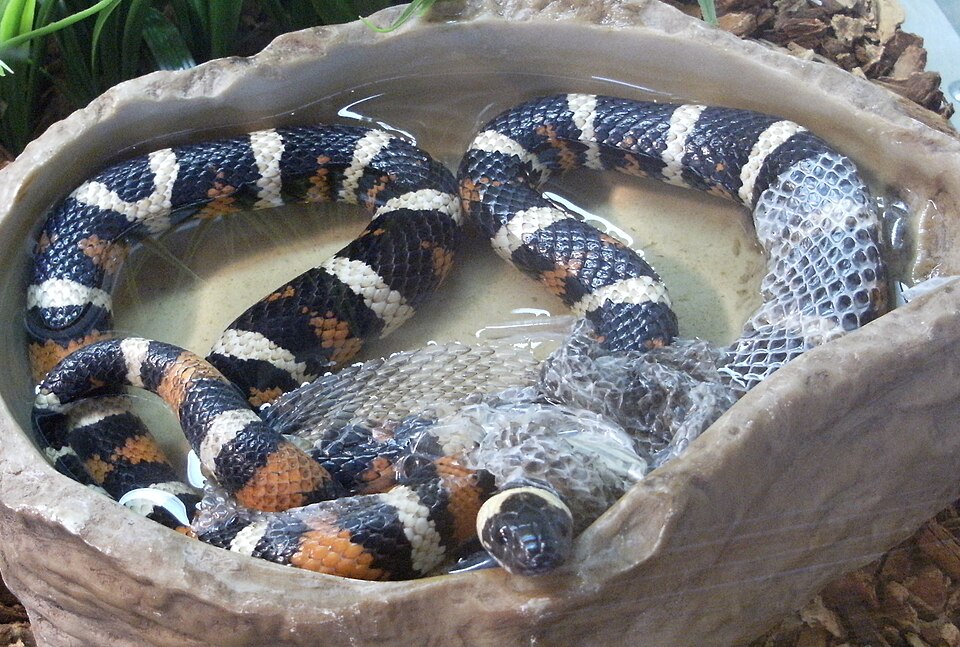
According to the RSPCA, a healthy snake sheds its skin in one piece, and more often when it's young. If the skin gets stuck, don't pull it off. If old skin is left over the eyes, a reptile specialist vet should remove it. According to the RSPCA, frequent shedding problems are usually linked to the vivarium setup or humidity. Details: shedding in reptiles.
According to the RSPCA, a healthy royal python is active and inquisitive, flicks its tongue often, and has clear, bright eyes. Check on your snake's health every day.
On Tüylüm's Today tab, snakes come with ready-made tasks: Feeding, Water dish, Humidity check and Terrarium cleaning; if you've added a heat lamp, Heat & UV lamp check appears too. You can log every shed with the Shedding record ("Complete / Stuck shed") and follow its weight with Weight tracking. If you track your mouse supply with Food & litter supplies, you'll get a reminder before it runs out.
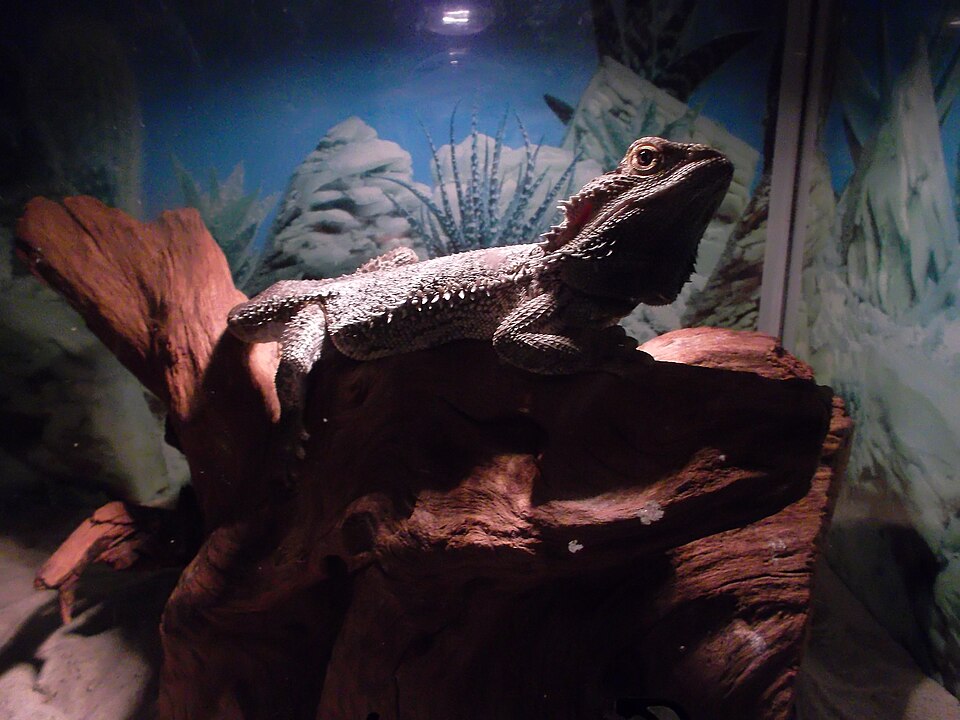
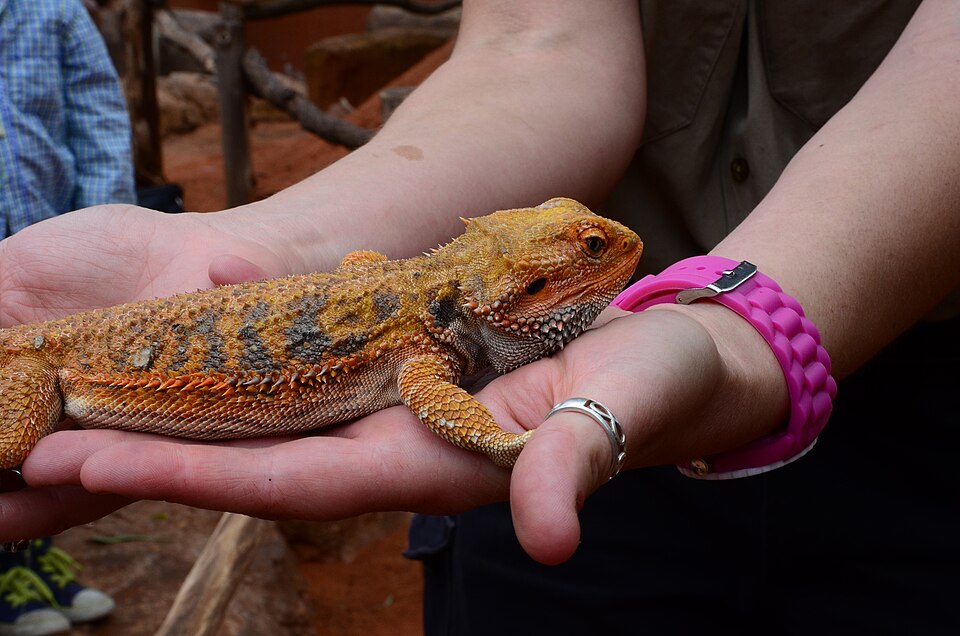
Our other reptile articles: corn snake, leopard gecko, bearded dragon. All of them: Reptiles.
Frequently asked questions
Are a royal python and a ball python the same snake?
Yes. Both are Python regius. The RSPCA calls it the "royal python"; in the US it's mostly called the "ball python." According to the Buffalo Zoo, the name comes from the way it curls into a tight ball when it's nervous.
My python hasn't eaten for a while. Is that normal?
According to the RSPCA, royal pythons are known for going off their food and may not feed as often as other snakes. Still, if your snake has suddenly stopped eating, talk to a vet experienced with reptiles and weigh it regularly.
Can I keep two ball pythons in the same enclosure?
The RSPCA advises against it: royal pythons are solitary and should be housed alone.

Keep track of your pet's care in TüylümLog vet visits, vaccine and medication dates, and we'll remind you when it's time. Share it all with your family in Home.
Sources
- RSPCA · How to care for a royal python
- RSPCA · Places for reptiles to hide
- Merck Veterinary Manual · Selecting a reptile
- Zoo New England · Ball python
- Buffalo Zoo · Royal/Ball Python
- CDC · Reptiles and amphibians
By Tüylüm · Published and last checked: October 26, 2026. Spotted a mistake? Write to [email protected] and we'll fix it right away. Photos are from Wikimedia Commons, used under the license shown below each photo.