 Tüylüm
LaPerm
A curly-coated cat known for waves and ringlets, born on an Oregon farm in 1982. Clever, affectionate and people-oriented, with shorthaired and longhaired varieties. The coat sheds little, but no cat is "allergy-proof."

 Lifespan12–15 yearsGCCF; not research data
 Weight5–8 lb (2.3–3.6 kg)GCCF
 OriginUSA1982, a farm in Oregon
 CoatCurlyshort or medium-long, wavy
 EnergyActiveclever, playful, also a lap cat
 SheddingLowcurls trap loose hair (CFA)
 With childrenUsually goodCFA and GCCF: compatible
 Other petsUsually compatiblewith cat-friendly dogs too
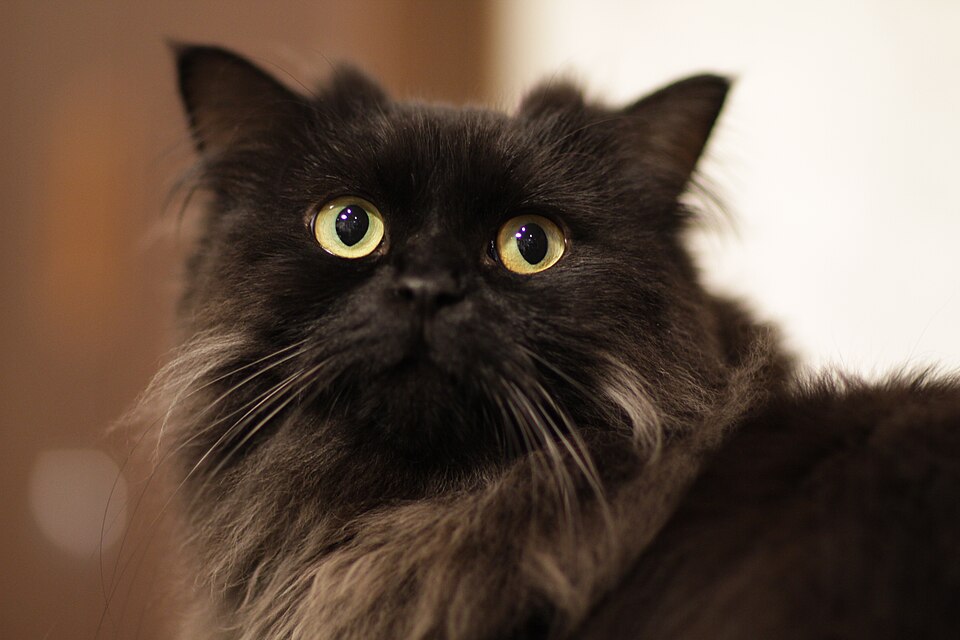
The LaPerm is a house cat known for its curly coat: the fur ranges from waves to tight ringlets and corkscrews, and the tail looks like either a bottle brush or a feather plume. The interesting part is that the breed began not as a design but as a coincidence. This page covers where the breed comes from, its temperament, coat care, and what we know about its health.
- Personality: According to the GCCF, clever, curious, outgoing and affectionate; according to the CFA, people-oriented, active and easy to train, yet happy to settle into a lap.
- Coat: Wavy, curly or corkscrewed; shorthaired and longhaired varieties exist.
- Origin: Comes from the first curly kitten, born on an Oregon farm in 1982; the curl is caused by a dominant gene.
- Shedding: Low (the curls trap loose hair, per the CFA), but not hypoallergenic: cat allergens come mainly from saliva.
- Health: The CFA notes no breed-specific health problems; ask the breeder about health testing.
- Registration: In Türkiye, microchipping and PETVET registration are mandatory for cats.
What to know
 What is the LaPerm like?
The GCCF describes the LaPerm as a clever, curious, outgoing, easygoing and affectionate cat; it says the breed suits families with children and friendly dogs, enjoys climbing frames and toys, and can learn tricks and retrieving. The CFA paints a similar picture: affectionate, intelligent and interested in people, active and easy to train yet fond of curling up in a lap, usually getting along with other pets and children, and generally quiet.
Every cat is an individual. Breed traits describe general tendencies; meeting people and household sounds as a kitten shapes character at least as much as breed does.
 Who is it a good fit for?
It suits households that can play with a cat, offer climbing spaces, and are home often or can give the cat attention. As a clever, people-oriented cat, it may not enjoy being ignored.
| Situation | A good fit? |
|---|---|
| Apartment | Yes, but climbing spaces and play are essential |
| Family with children | Usually compatible (GCCF, CFA) |
| Other cats and dogs | Usually compatible; introduce slowly |
| Long hours alone | Not discussed in the sources; as a people-oriented breed, give it attention |
| First-time cat owners | Can be a fit; take coat care and energy needs seriously |
| People with allergies | Not hypoallergenic; spend a long time with the cat first |
Where does it come from?
The story starts in 1982 on a farm in The Dalles, Oregon. According to the GCCF, a barn cat gave birth to a bald kitten with tabby markings; by three months the kitten had grown a full coat of curls. Its owners, Linda and Richard Koehl, noticed that the curl gene was dominant and different from other Rex (curly coat) genes, and began a planned breeding program. The CFA writes that the first kitten was called "Curly," and that Linda Koehl took control of the breeding and named the breed LaPerm.
Recognition varies by registry:
- TICA: According to the GCCF, it recognized the breed in 2002.
- CFA: It accepted the breed for registration in 2000 and granted championship status in 2008. The CFA says kittens born after January 2025 may have only LaPerm parents; in other words, the period when breeding to domestic cats was allowed has closed.
- GCCF: The breed arrived in the UK in 2002, received preliminary recognition in 2004 and championship status in 2012. GCCF registration policy allows breeding to certain other breeds; those cats must be healthy and DNA tested for relevant genetic conditions.
- FIFe: It lists the breed as LPL (longhair) and LPS (shorthair) and allows breeding only to other LaPerms.
 Appearance and colors
According to the GCCF and CFA, the LaPerm is a medium-sized, medium-boned cat that feels heavier than it looks. The head is a modified wedge, the ears are large and cupped, and the eyes are almond-shaped, looking rounder when the cat is alert.
- Coat: The breed's signature. The GCCF calls it "shaggy waves, curls and ringlets." According to the CFA, the curl ranges from loose waves to tight corkscrews, and the tightest curls are on the throat, the underside and the base of the ears. The longhaired variety has a neck ruff and a plumed tail; the shorthaired coat is shorter and crisper, with a bottle-brush tail.
- Colors: The CFA accepts every color that is genetically possible. The Karpati pattern ("reverse pointing") is unique to the breed. The GCCF accepts all colors and patterns, and color and eye color are not judged.
- Size: According to the GCCF, usually 5 to 8 lb (2.3 to 3.6 kg). The CFA says cats mature in 2 to 3 years, with females maturing before males.
- Kitten coats: According to the GCCF, kittens can be born bald with curls appearing later; FIFe says straight-coated kittens can also be born to two curly parents.
Daily care
For the coat, the GCCF recommends regular combing with a wide-toothed comb, and longhaired cats need it more often. Small mats can be teased out gently with a slicker brush. According to the CFA, because the curls hold loose hair, shedding is minimal and mats are uncommon. Some cats' coats get oily and may need an occasional bath, using a product made for cats rather than human shampoo (the way your veterinarian shows you). For more, see cat grooming.
- Sun: The CFA reminds owners that sparsely haired or bare patches can sunburn; keep an eye on sun exposure.
- Mind and movement: A clever, active cat; give it a climbing tree, toys, fetch games and puzzle feeders. See also play for indoor cats and why cats love high places.
- Nails: A scratching post is essential; trim nails the way your veterinarian shows you.
A curly coat that "sheds little" does not mean it will not cause allergies. International Cat Care and the GCCF explain that cat allergens come mainly from proteins in saliva. If you have allergies, spend a long time with the cat before bringing it home and ask your doctor.
 Diet and weight
We found no special diet advice for the LaPerm. A balanced, complete cat food suited to age and lifestyle is enough. Even for an active cat, measure the food, subtract treats from the daily amount, set the daily amount with your veterinarian, and weigh your cat monthly. A curly coat can hide extra weight, so check beneath the fur by hand.
 Health issues to know about
The following is for information only; ask your veterinarian for diagnosis and treatment.
The CFA says no breed-specific health problems are known in the LaPerm and that the breed has a genetically diverse background. The GCCF page also does not mention breed diseases; it only notes that its registration policy allows breeding to other breeds, which it says helps avoid known breed-specific problems. That does not mean there are none; for a small breed, we found no independent health research. Ask the breeder:
- About the health checks and DNA test results of the mother and father.
- How diverse the pedigree is (whether there is close inbreeding).
- Whether the kitten has had a veterinary check.
As with any cat, regular veterinary checks of the heart, kidneys and teeth are a good starting point. If you see redness or burns on bare or sparsely haired spots, show your veterinarian.
- Fast or open-mouth breathing
- Drinking or urinating a lot, loss of appetite or weight loss
- Skin redness, crusting or widespread hair loss
- Hiding and reacting when touched (cats hide pain)
How long does it live?
We found no breed-specific lifespan study for the LaPerm. The GCCF gives a range of 12–15 years; that is a registry's general range, not research data. Lifespan is most affected by an ideal weight, regular veterinary checks, spaying or neutering, and a safe home. Asking about the parents' age and health history when you get a kitten fills this gap a little. Regular checks, vaccinations, parasite prevention and dental care are the foundation of care; ask your veterinarian which checks they recommend as your cat ages.
 Before you get one
- Think about shelters too: Curly or wavy-coated cats are rare, but affectionate, people-oriented cats turn up in shelters all the time.
- If you buy from a breeder: Ask to see the mother and father; ask about health checks, DNA test results, the pedigree and vaccination records. Stay away from sellers who sell any straight or slightly wavy cat as a "LaPerm." Because curl is a dominant gene, straight-coated kittens can be born to LaPerm parents (FIFe). They are a natural part of the breed but count as a "non-recognized variety" for showing.
- Red flags: Sellers who will not show the mother, who always have kittens for sale, who offer no paperwork, or who rush you to "buy now."
- Legal registration: In Türkiye, microchipping and PETVET registration are mandatory for cats. Details are in our article on PETVET registration and microchips.
- The first days: International Cat Care recommends starting a new cat in a single room, leaving a place to hide, and waiting for the cat to come out on its own rather than forcing it. Our first week with a new cat article walks through it step by step.
Frequently asked questions
Is the LaPerm hypoallergenic?
No. Even if the coat sheds little, cat allergens come mainly from proteins in saliva. If you have allergies, spend a long time with the cat and see how you react.
Is the coat always curly from birth?
No. According to the GCCF, kittens can be born bald and the curls come later; a full curly coat can develop at about three months. FIFe says straight-coated kittens can also be born to two LaPerms.
Are there short- and long-haired varieties?
Yes. The longhaired variety has a ruff and a plumed tail; the shorthaired coat is shorter and crisper, with a bottle-brush tail.
What colors does it come in?
The CFA accepts every color that is genetically possible; the GCCF also accepts all colors and patterns. The Karpati ("reverse pointing") pattern is unique to the breed.
Does it get along with children and other pets?
According to the CFA and GCCF, usually yes. Keep introductions supervised and slow.
How much does it weigh?
According to the GCCF, usually 5 to 8 lb (2.3 to 3.6 kg). Work out your own cat's ideal weight with your veterinarian.
Sources
- GCCF (Governing Council of the Cat Fancy) · La Perm
- CFA (Cat Fanciers' Association) · LaPerm
- FIFe (Fédération Internationale Féline) · Breeding and Registration Rules, 2026 edition (LPL/LPS section)
- GCCF (Governing Council of the Cat Fancy) · Sphynx (cat allergy and coat care notes)
- International Cat Care · Sphynx (cat allergens and saliva)
- International Cat Care · Helping your new cat or kitten settle in
- Resmî Gazete (Official Gazette of Türkiye) · Regulation on Identification and Registration of Cats, Dogs and Ferrets (February 26, 2018)
By Tüylüm · Last checked: November 10, 2026. Compiled from the sources above and written in our own words. Spotted a mistake? Write to [email protected] and we'll fix it right away. Photo from Wikimedia Commons, used under the license shown below it.