Crested gecko care: a tall vivarium, warm and humid conditions, and a tail that doesn't grow back
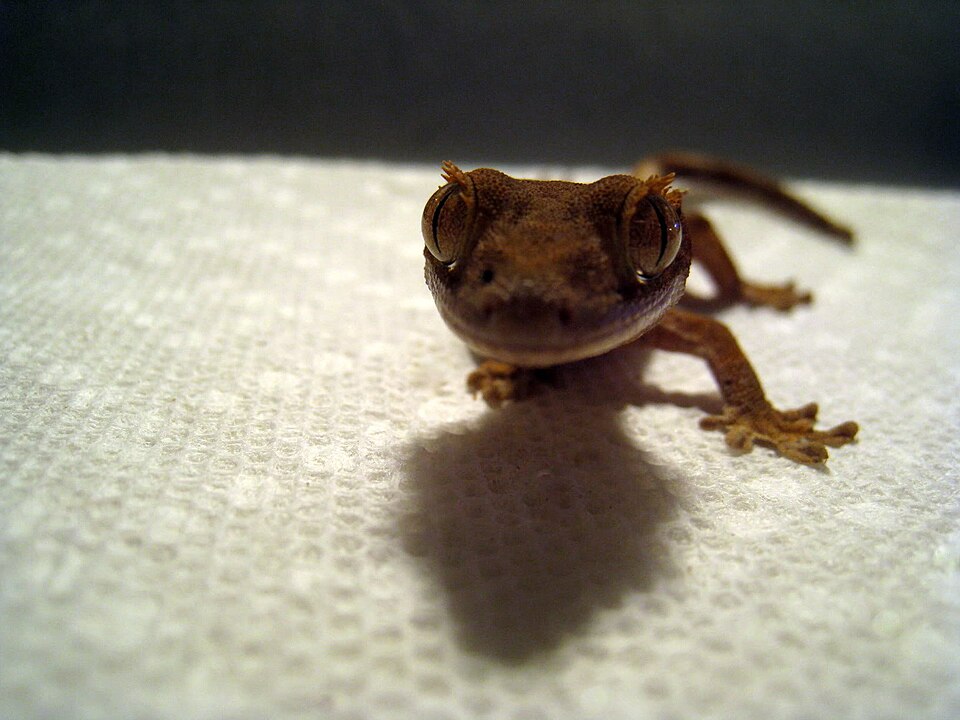
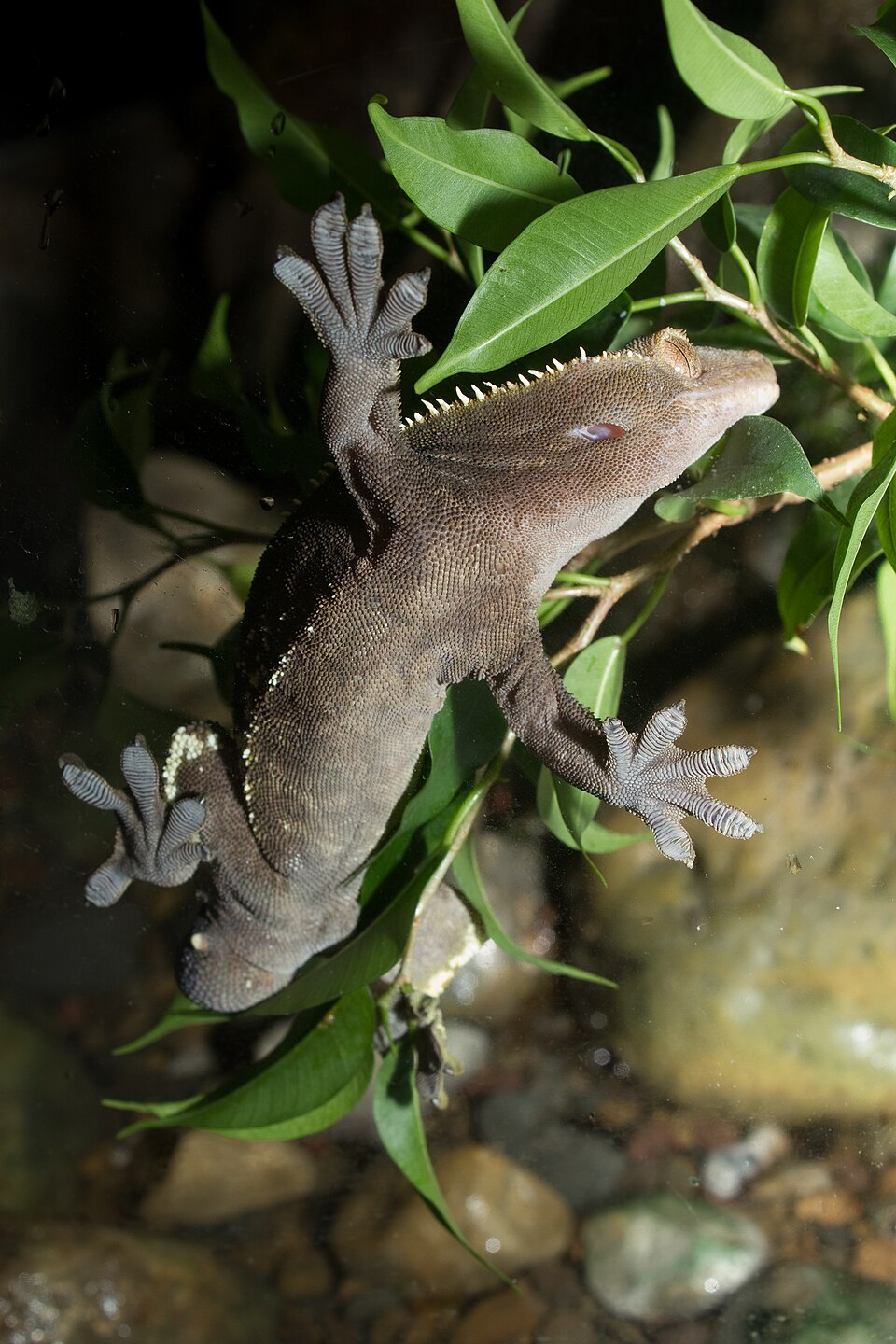
The crested gecko (Correlophus ciliatus) is known for the lash-like fringes above its eyes. Where the leopard gecko is set up for a dry life, the crested gecko needs a warm, humid one; and according to the RSPCA, once it loses its tail, a new one doesn't grow. In this article everything comes from the RSPCA's crested gecko guide and the CDC's reptile health page; the comparison with the leopard gecko is based on the RSPCA's leopard gecko page.
- Size and lifespan: According to the RSPCA, about 8 inches (20 cm) including the tail; up to 15-20 years in captivity.
- Vivarium: For an adult, at least 45 cm wide, 60 cm tall and 45 cm deep; the RSPCA prefers glass over wood.
- Temperature: Basking zone 26-28 °C (79-82 °F), cool end 20-24 °C (68-75 °F), nights can drop to 18-20 °C (64-68 °F).
- Humidity: Normally 40-50%; spray with clean water for short boosts up to 80%.
- Food: Mashed safe fruit, a prepared crested gecko diet and small insects.
- Tail: Never grab it; the RSPCA says a dropped tail doesn't regrow.
Who is this gecko?
According to the RSPCA, the crested gecko reaches about 8 inches (20 cm) including its tail and can live up to 15-20 years in captivity. So getting one is a long-term promise. For the general questions to ask before getting any reptile, see before you get a reptile.
A tall vivarium, not a wide one
The RSPCA recommends a vivarium of at least 45 cm wide, 60 cm tall and 45 cm deep for an adult. Hatchlings can start in a smaller one. The RSPCA prefers a glass vivarium over wood because the species needs a humid environment. For the floor, it suggests materials that hold humidity: coconut fiber (coir) or a soil mix covered with moss or leaves. For a permanent setup, it recommends a bioactive system. The vivarium should be tall; the RSPCA writes that too little climbing space can lead to "floppy tail syndrome."
Temperature and humidity
| Setting | According to the RSPCA |
|---|---|
| Basking zone | 26-28 °C |
| Coolest area | 20-24 °C |
| Night | May drop to 18-20 °C; a non-light heater is set to 18 °C |
| Humidity | Normally 40-50%, up to 80% with spraying |
| UVB | Medium-output (5-7%) lamp, 12 hours on / 12 off on a timer |
The RSPCA advises checking the temperature at both ends of the vivarium every day with a digital thermometer and connecting every heat source to a thermostat. Use a hygrometer for humidity, and don't let the substrate get waterlogged. According to the RSPCA, correct humidity is essential for healthy shedding, and low humidity can also reduce the stickiness of the toe pads. See vivarium humidity for measuring it and warm side, cool side for the temperature gradient.
Compared with the leopard gecko
The same organization writes the two species very differently:
| Feature | Crested gecko | Leopard gecko |
|---|---|---|
| Vivarium (adult) | At least 45 x 60 x 45 cm (W x H x D) | At least 60 x 40 x 30 cm (L x H x D) |
| Warm side | 26-28 °C | 28-30 °C |
| Cool side | 20-24 °C | 24-26 °C |
| Humidity | 40-50%, up to 80% sprayed | About 30-40% at the cool end |
| If it drops its tail | Doesn't regrow | Regrows, but it's risky for its health |
| Lifespan | Up to 15-20 years | Up to 20 years |
So the same lamp and the same dry setup don't suit both. Know your species.
Feeding
The RSPCA describes a three-part menu:
- Fruit: Mashed safe fruit; examples include blueberries, pears, papaya, strawberries and mango. The RSPCA says never to feed citrus or banana.
- Prepared diet: A powdered crested gecko diet (CGD) mixed with water and removed daily. The RSPCA says to avoid products containing wheat, rice or bran.
- Insects: Small dubia roaches, calciworms and crickets. The RSPCA advises feeding the insects a nutritious diet for 24 to 48 hours before offering them (gut-loading) and dusting them lightly with a supplement; remove any uneaten insects during the day.
The RSPCA suggests rotating these in a three-week cycle. The page doesn't say how often to feed, so ask your veterinarian about that and about the supplement product. The RSPCA's general rule on supplements: check what the product contains, follow the manufacturer's instructions, and consult a reptile vet if you're unsure. For more on insects, see feeding insects to reptiles. There should always be fresh, clean water in a dish; the RSPCA says to replace it at least once a day. Some geckos may prefer to drink droplets from the vivarium walls, but keep the dish anyway.
Handling and the tail
The RSPCA's handling advice:
- Wait: Let the gecko settle in before handling; according to the RSPCA that's usually after the first week.
- Let it climb: Don't grab the gecko; let it climb onto your hand on its own.
- Keep it short: About 10 minutes at a time, depending on the outside temperature.
- Don't touch the tail: The RSPCA's rule is clear: never grasp the tail. A dropped tail means a stressed gecko that loses its fat reserves.
According to the RSPCA, crested geckos are best kept alone: males shouldn't be kept permanently with others, while females may share if there are enough basking, hiding and feeding areas. Separate them right away if you see chasing, squeaking, tail shaking or biting. According to the CDC, reptiles can carry Salmonella even when they look healthy; wash your hands with soap after touching the gecko or its equipment (reptiles and Salmonella).
Signs of health
According to the RSPCA, a healthy gecko has clear, bright eyes, pupils that react to light, smooth skin without blisters and no kinks in the tail or spine. Abnormal droppings or weight loss can be a sign of parasites; losing toe-pad stickiness can point to low humidity or a nutritional problem. Swellings or a misshapen leg, mouth or spine can be signs of bone disease. The RSPCA wants urgent reptile vet care for these signs. A gecko sheds its skin in large pieces, and the RSPCA says eating the shed skin is normal. Don't pull stuck skin; if it stays on, consult your veterinarian.
If you notice weight loss, tremors, swelling or toes that no longer stick, don't treat it yourself; take your gecko to a veterinarian who knows reptiles.
Log sheds with Tüylüm's Shedding record, track weight with Weight tracking, and turn daily jobs like checking temperature and humidity into care tasks on the Today tab. Pet sitter note helps when you travel.
More reptile articles: Reptiles.
Frequently asked questions
Are "tepeli kertenkele" and "kirpikli geko" the same animal?
Yes; both are Turkish names for Correlophus ciliatus, the crested gecko.
Will the tail grow back if it drops?
According to the RSPCA, unlike other geckos, the crested gecko can't regrow a dropped tail. So never touch the tail at all.
Can I keep two geckos together?
The RSPCA recommends keeping them alone. Males shouldn't be kept permanently with others; females can share with enough space but should be separated at once if they fight.

Keep track of your pet's care in TüylümLog vet visits, vaccine and medication dates, and we'll remind you when it's time. Share it all with your family in Home.
Sources
- RSPCA · Caring for your crested gecko
- RSPCA · How to care for a leopard gecko
- RSPCA · Gutloading live food
- RSPCA · Food supplements for reptiles
- RSPCA · Water for reptiles
- CDC · Reptiles and amphibians
This article is for general information only; it is not a diagnosis or treatment advice and does not replace a visit to a veterinarian. Talk to your vet about decisions on your pet's health. By Tüylüm · Published and last checked: November 9, 2026. Spotted a mistake? Write to [email protected] and we'll fix it right away. Photos are from Wikimedia Commons, used under the license shown below each photo.