Feeding insects to reptiles: gut-loading, calcium dusting and choosing the right size
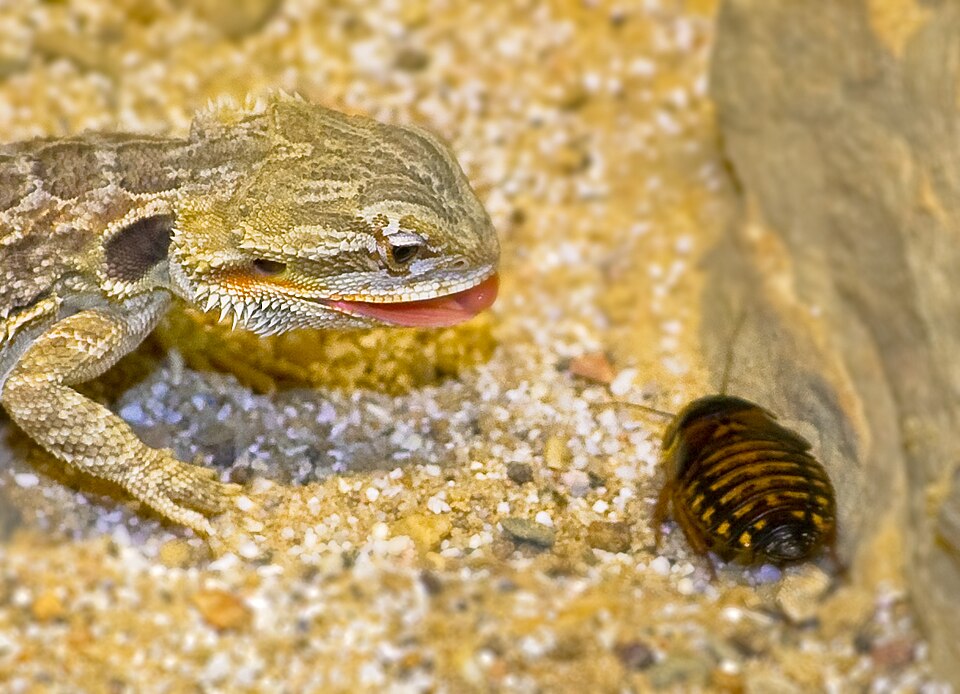
For an insect-eating reptile, the cricket in the dish stands in for its wild prey, but it isn't nutritionally the same. According to the RSPCA, feeder insects sold for pet reptiles typically lack some nutrients and contain too much of others compared with the insects wild reptiles eat, which can lead to nutritional disease. In this article we draw on the RSPCA's gut-loading and supplement pages, its care guides and the Merck Veterinary Manual to explain the core ideas of feeding insects. For tarantulas and mantises, we have a separate article: live feeder safety. Here we look at the reptile side.
- Feed the insects: The RSPCA suggests giving feeder insects a calcium-rich, vitamin and mineral gut-loading diet for 24 to 72 hours before feeding them to your reptile.
- Calcium powder: According to the RSPCA and Merck, insects are lightly coated with supplement just before feeding; ask your veterinarian which product to use and how often.
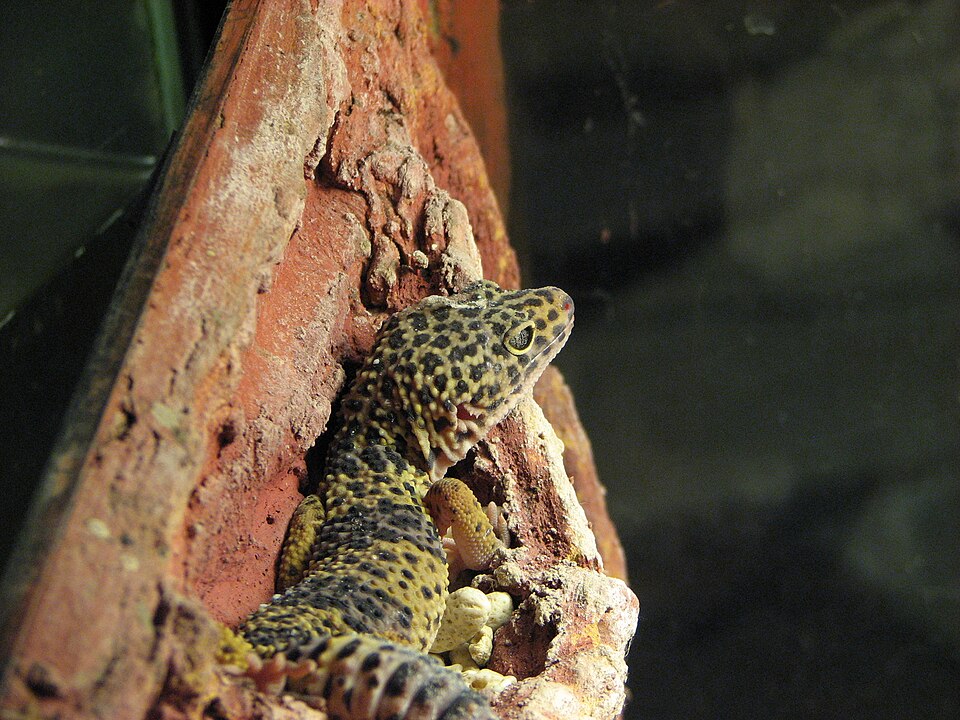
- Size: According to the RSPCA, the insect shouldn't be bigger than a leopard gecko's head or a bearded dragon's mouth.
- Remove leftovers: The RSPCA says uneaten insects can bite your reptile.
- Commercially bred: Merck recommends commercially bred, pathogen-free feeder insects.
- Variety: Merck says offering two or more prey types is common practice.
Why aren't insects enough on their own?
According to Merck's nutrition page, crickets are low in calcium and high in phosphorus: adult crickets have about 0.3% calcium and 1% phosphorus on a dry-matter basis. Merck says most foods have an inadequate calcium-to-phosphorus ratio, which should be at least 1:1 and ideally 2:1. Crickets don't reach that balance on their own (the ratio in Merck's table is 0.31). Merck also says some feeder insects, such as mealworms, contain limited vitamin D, and that regular supplementation is advised for many species.
The RSPCA counts calcium deficiency among the most common nutritional problems in insect-eating, omnivorous and herbivorous reptiles. For the bone-disease signs that deficiency can cause and the role of UVB, see UVB and heat for reptiles.
Feed the insects first (gut-loading)
According to the RSPCA, gut-loading means feeding the insects a nutritious diet so that those nutrients reach your reptile when it eats them. To do it:
- Use a purpose-made diet: Choose a commercially available gut-loading diet with vitamins and minerals. According to the RSPCA, these are typically high in calcium, which feeder insects usually lack.
- Start 24-72 hours ahead: The RSPCA's gut-loading page says 24 to 72 hours; its bearded dragon, leopard gecko and crested gecko pages say 24 to 48, and Merck says 72. The sources differ slightly; ask your veterinarian which to follow.
- Give clean water: Fresh water for the insects, but at a depth they can't drown in.
- A large, ventilated container: The RSPCA suggests keeping the insects in a large, well-ventilated container.
- Vegetables while they wait: If you keep the insects for a while before gut-loading, the RSPCA suggests giving them safe vegetables; this helps the insects' welfare and what reaches your reptile.
Calcium dusting
According to the RSPCA's supplement page, insect-eating reptiles should get a calcium supplement with a high calcium-to-phosphorus ratio. Merck also describes dusting insects with a calcium supplement right before feeding. The RSPCA's dusting method is simple: put the insects in a plastic bag, add the supplement, coat them and feed right away. Adding supplements to water isn't recommended, because a reptile won't take in a consistent amount.
According to the RSPCA, vitamins and minerals can be overdosed; daily multivitamin use isn't required and should only happen if a specialist reptile vet advises it. Ask a veterinarian who knows reptiles which product to use, how much and how often, and follow the product's instructions. We don't give doses or frequencies in this article.
Insect size
In the RSPCA's care pages, the size rule depends on the species:
| Reptile | Insect size, according to the RSPCA |
|---|---|
| Leopard gecko | No bigger than the gecko's head |
| Bearded dragon | No bigger than the dragon's mouth |
| Crested gecko | Small dubia roaches, calciworms and crickets |
The rule is simple: not bigger than what fits in its mouth. For your species, see leopard gecko care, crested gecko care and bearded dragon care.
Uneaten insects
The RSPCA gives the same warning for bearded dragons and leopard geckos: remove uneaten feeder insects from the vivarium, because some insects can bite your reptile. For the crested gecko, the RSPCA suggests removing uneaten insects during the day. According to the RSPCA's supplement page, dusted invertebrates that haven't been eaten should be removed after 20 to 30 minutes (except those kept in a bowl, like mealworms). Our sources don't say anything about escaped insects; for why surplus feeder insects shouldn't be released outdoors, see live feeder safety.
Where to get the insects
Merck recommends commercially bred feeder insects and, where possible, pathogen-free ones, because prey can transmit disease or parasites. Our sources don't separately address collecting wild insects, so we make no recommendation on it.
On variety, Merck says offering two or more prey types is common practice because each prey has a different nutrient content. For the leopard gecko, the RSPCA lists crickets, calciworms and locusts, and says waxworms are fatty and should be given only occasionally.
Follow feeding days with the daily care tasks on Tüylüm's Today tab. Weight tracking charts your reptile's weight; the RSPCA's care pages recommend weighing regularly. When you travel, you can write the feeding routine for your sitter with Pet sitter note: leaving your reptile while you travel.
Frequently asked questions
How long before feeding should I gut-load the insects?
The RSPCA's gut-loading page says 24 to 72 hours; its bearded dragon and leopard gecko pages say 24 to 48 and Merck says 72. Ask your veterinarian which to follow.
Should I dust with calcium at every feeding?
We don't give a frequency in this article. The RSPCA and Merck describe supplements being dusted on, but the product and frequency depend on the species; ask your veterinarian.
Can I leave uneaten insects in the vivarium?
According to the RSPCA, no; some insects can bite your reptile. Remove uneaten ones during the day.

Keep track of your pet's care in TüylümLog vet visits, vaccine and medication dates, and we'll remind you when it's time. Share it all with your family in Home.
Sources
- RSPCA · Gutloading live food
- RSPCA · Food supplements for reptiles
- RSPCA · How to care for a bearded dragon
- RSPCA · How to care for a leopard gecko
- RSPCA · Caring for your crested gecko
- Merck Veterinary Manual · Nutrition in reptiles
- Merck Veterinary Manual · Management and husbandry of reptiles
This article is for general information only; it is not a diagnosis or treatment advice and does not replace a visit to a veterinarian. Talk to your vet about decisions on your pet's health. By Tüylüm · Published and last checked: November 9, 2026. Spotted a mistake? Write to [email protected] and we'll fix it right away. Photos are from Wikimedia Commons, used under the license shown below each photo.