Before you get a green iguana: size, lifespan, heat and a plant-based diet
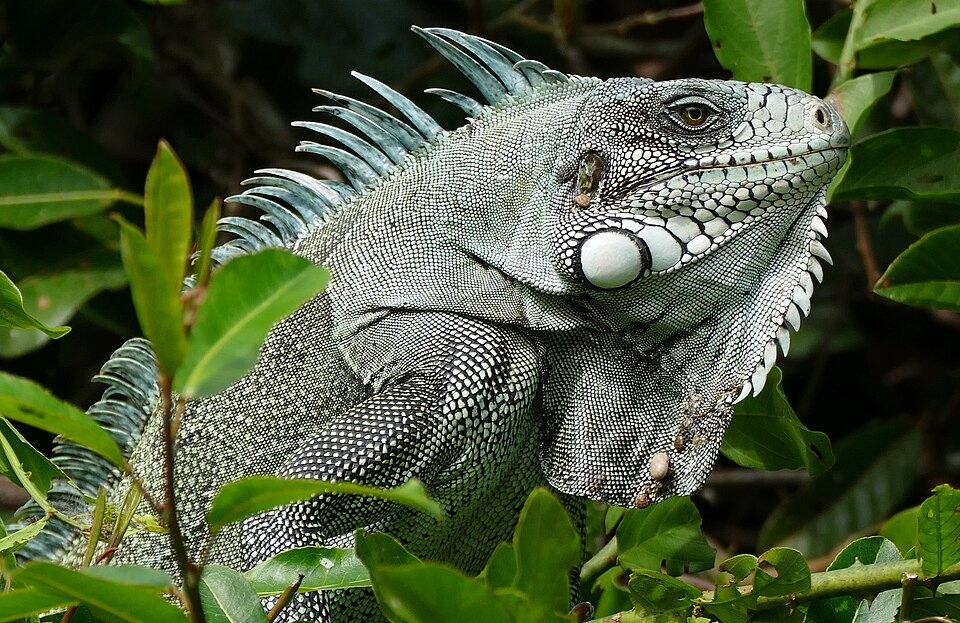
In a pet shop, a green iguana (Iguana iguana) is usually a small, bright green, calm-looking juvenile. But according to the RSPCA's report on the exotic pet trade, these lizards are sold in the UK at about half a meter long, and as they grow it gets harder and harder to give them the space, specialist environment and care they need. In this article we bring together what the Merck Veterinary Manual, the RSPCA, the San Diego Zoo, the University of Illinois College of Veterinary Medicine and the CDC say, so you can ask yourself the right questions before bringing one home. The goal isn't to talk you out of it; it's to help you decide with open eyes. We cover general reptile questions in before you get a reptile; here we look at the iguana only.
- Size: According to the San Diego Zoo, the green iguana is the largest iguana; iguanas can reach 7 feet (about 2 meters), and the tail makes up about half of that length.
- Lifespan: Merck says 5-15 years in captivity; the RSPCA says 10-15. Either way, it's a long commitment.
- Hot and humid: Merck lists a preferred temperature zone of 84-91 °F (29-33 °C) and humidity of 60-85%.
- Plant-based diet: The University of Illinois says that despite its pointed teeth the iguana is a herbivore; the menu centers on large leafy greens and salads.
- Light: Merck says broad-spectrum (UVB) lighting is essential; dietary vitamin D alone may not be enough.
- Not for beginners: The RSPCA's report says some exotic-keeping organizations now consider this species unsuitable for a novice keeper.
Sold small, grows big
The San Diego Zoo's iguana page says iguanas range from 1 to 7 feet, and the green iguana is the largest of them. The same page says an iguana's tail is about half of its length. So when you picture an adult green iguana, picture not the juvenile in the shop window but an animal long enough to fill much of a room.
Merck gives a similar warning: if you buy a reptile young, think about how long you can keep enlarging its habitat as it grows. Merck's husbandry page says the type of enclosure should suit the species, lists the green iguana as an arboreal (tree-dwelling) rainforest species, and recommends providing the largest enclosure possible. A veterinarian at the University of Illinois also writes that iguanas "grow quite large," which makes it difficult to provide a habitat with UVB lighting.
We couldn't find a reliable source we could open and read that gives a clear enclosure size for an adult iguana; Merck only says "the largest possible." So we're not putting a number in this article. Before you bring one home, ask a veterinarian who knows the species.
Lifespan: the sources don't say exactly the same thing
Merck's table of captive reptile lifespans lists the green iguana at 5-15 years. The RSPCA's 2004 report says 10-15 years. The two organizations differ, but both point the same way: this is not a relationship of a couple of years. The RSPCA also notes in the same report that many of these animals, once they became hard to keep, were passed on to the RSPCA.
A hot, humid life
According to Merck's table, the green iguana is a rainforest species that doesn't hibernate. Its preferred temperature zone is 84-91 °F (29-33 °C) and humidity is 60-85%. Merck asks that heaters be thermostat-controlled, guarded so the animal can't touch them, and placed at one end of the enclosure to create a temperature gradient. The same page says "hot rocks" frequently cause burns in larger animals.
The RSPCA explains why heat matters so much: green iguanas depend on a warm environment to digest their food. So warmth isn't a comfort; it's part of digestion. We explained why you need warm and cool zones in warm side, cool side and how to measure humidity in vivarium humidity.
Light: it's not just a lamp
Merck says broad-spectrum lighting is essential for the iguana. According to Merck's nutrition page, in green iguanas dietary vitamin D didn't prevent bone fractures; UVB exposure is thought to be what matters most. Glass and plastic filter most UVB, so sunlight through a window doesn't replace a lamp either. For choosing a lamp and when to replace it, see UVB and heat for reptiles.
A plant-based diet
According to the University of Illinois, the iguana is a herbivore despite its pointed teeth, and its diet should center on large leafy greens and salads. Merck also lists the green iguana as herbivorous. Points Merck's nutrition page stresses for herbivorous reptiles: fresh greens and vegetables make up most of the menu, fruit is a small share, and the calcium-to-phosphorus balance must be kept right. Because most foods don't have that balance on their own, Merck says it has to be considered separately.
Which vegetables, how much and with which supplements depends on the species and the animal's age. Build the menu and supplements together with a veterinarian who knows reptiles. If you notice softening bones, tremors or loss of appetite, don't wait; see your veterinarian.
Questions to ask before you bring one home
- Space: Is there really room for an adult-size iguana, or are you only prepared for a juvenile?
- Years: Can you care for this animal for the next 10-15 years, through a move, a baby or a job change?
- Electricity: Heat and light will run much of the day; Merck wants every heater controlled by a thermostat.
- Veterinarian: According to the CDC, most veterinarians don't treat reptiles and amphibians; find one who treats this species before you get the animal.
- Household: The CDC doesn't recommend reptiles for homes with children under 5, adults 65 or older, pregnant people or anyone with a weakened immune system.
- Hygiene: According to the CDC, wash your hands with soap and water after care and before eating, and keep the animal and its equipment out of the kitchen. More in reptiles and Salmonella.
What if you can't keep it?
Don't release an iguana you can no longer care for. According to the CDC, most released reptiles die and some threaten native wildlife; the agency suggests contacting a pet store, a rescue group or a zoo instead. For handling basics, see handling your reptile the right way.
Mark daily jobs like fresh greens and water as tasks on Tüylüm's Today tab, and watch your iguana's weight on a chart with Weight tracking. Save the details of a veterinarian who treats reptiles under My vet; when you travel, send the sitter instructions in a single message with Pet sitter note.
Frequently asked questions
Can a baby green iguana live in a small enclosure?
Merck says that if you buy a young reptile, think about whether you can keep enlarging its habitat as it grows. Plan for the adult, not the baby.
Does a green iguana eat meat?
According to the University of Illinois and Merck, it's a herbivore. The menu should center on large leafy greens and salads; ask your veterinarian for details.
Is it legal where I live?
We don't give legal information in this article. Before you get the animal, check the rules with your local authorities or a veterinarian. In Türkiye, that means the Ministry of Agriculture and Forestry's official pages.

Keep track of your pet's care in TüylümLog vet visits, vaccine and medication dates, and we'll remind you when it's time. Share it all with your family in Home.
Sources
- Merck Veterinary Manual · Selecting a reptile
- Merck Veterinary Manual · Average life span of reptiles in captivity
- Merck Veterinary Manual · Management and husbandry of reptiles
- Merck Veterinary Manual · Nutrition in reptiles
- RSPCA · Handle with care: a look at the exotic animal pet trade (2004, PDF)
- San Diego Zoo Wildlife Explorers · Iguanas
- University of Illinois Veterinary Medicine · Your reptile's proper diet, environment
- CDC · Reptiles and amphibians
This article is for general information only; it is not a diagnosis or treatment advice and does not replace a visit to a veterinarian. Talk to your vet about decisions on your pet's health. By Tüylüm · Published and last checked: November 9, 2026. Spotted a mistake? Write to [email protected] and we'll fix it right away. Photos are from Wikimedia Commons, used under the license shown below each photo.