 Tüylüm
American Cocker Spaniel
A cheerful, people-loving family dog known for its big eyes, rounded head and abundant, silky coat. It's small but active, needs daily brushing and regular professional grooming, and is prone to ear infections and eye diseases such as glaucoma.

 Lifespan10–14 yearsAKC range; UK median 13.3
 Weight20–30 lb (9–14 kg)AKC: males 25–30 lb, females 20–25 lb
 Height13.5–15.5 in34–39 cm; males are the taller end
 OriginUnited Statessplit from the English Cocker
 CoatLong and abundantdaily brushing, regular grooming
 Exercise2+ hours a dayRoyal Kennel Club guidance
 With kidsGood matchwith early socialization
 TrainingQuick learnersensitive to harsh handling
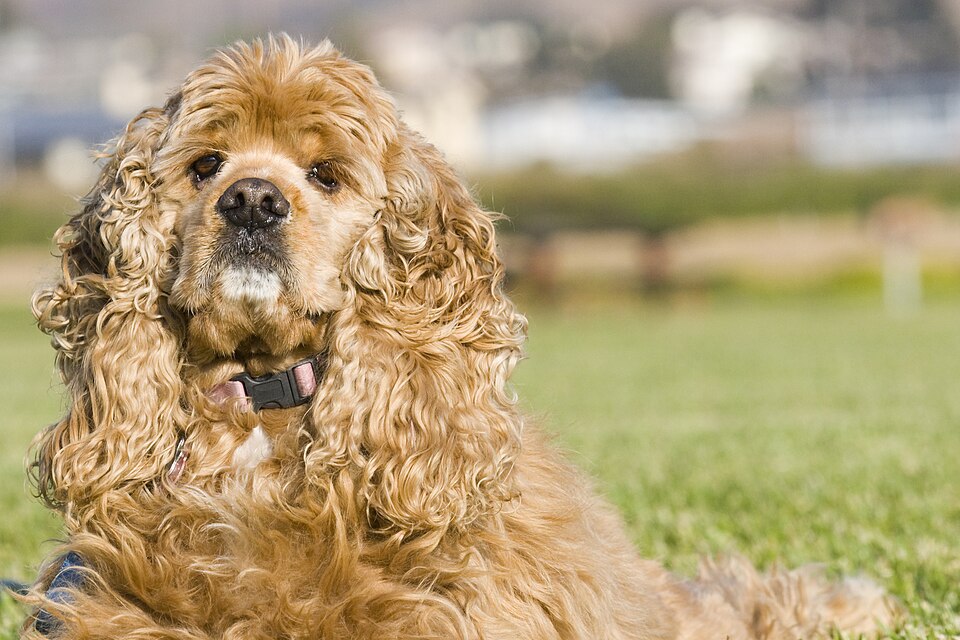
With its big, soft eyes, rounded head and abundant, silky coat, the American Cocker Spaniel is recognizable at a glance. Like its gundog ancestors, it's cheerful and lively, but today it's bred mostly as a show and family dog. On this page we've pulled together its temperament, care needs and health issues from breed registry standards and scientific studies. The English Cocker Spaniel is a separate breed; we explain the differences below.
- Temperament: Cheerful, deeply attached to its people and gentle; sensitive to harsh handling.
- Coat: The long, abundant coat needs daily brushing and regular professional grooming; this isn't a low-maintenance dog.
- Ears: Ear infections are very common in this breed and can keep coming back; see the vet at the first sign.
- Eyes: Glaucoma and cataracts are frequently reported in this breed; don't ignore redness or squinting.
- Activity: Small but active; the Royal Kennel Club recommends more than two hours of exercise a day.
What to know
 What is the American Cocker Spaniel like?
According to the Royal Kennel Club's breed profile, the American Cocker is a cheerful, people-oriented dog that thrives on companionship. The profile describes it as typically gentle, eager to please and well suited to family life; when well socialized from an early age, it gets along with children and other pets. The Royal Kennel Club standard also calls for an equable temperament with no suggestion of timidity.
The AKC describes the breed as merry and frolicsome: it was developed as a hunting dog but won its wide popularity as an all-around companion. As a people-oriented breed that thrives on company, long hours alone don't suit it.
The Royal Kennel Club notes that, like many spaniels, this breed can be sensitive to harsh handling. A patient, reward-based approach works far better than yelling or punishment.
Every dog is an individual. Breed traits describe general tendencies; the parents' temperament, how a puppy was socialized and the training it gets shape its personality as much as its breed.
 Who is it a good fit for?
The American Cocker suits families who will spend a lot of time with their dog, can make time for grooming every day and can budget for regular professional grooming.
| Situation | Good fit? |
|---|---|
| Apartment | Good; it's small, but daily walks and play are a must |
| Family with kids | Good; early socialization and teaching kids to respect the dog's space matter |
| Other dogs and cats | Usually gets along if introduced early |
| Long hours alone | Struggles; it's deeply attached to its people |
| First-time dog owners | Good; easy to train, as long as you know what coat, ear and eye care involve |
The Royal Kennel Club says it plainly: this breed isn't for owners looking for a low-maintenance pet. Grooming and exercise need to be a regular part of the day. For homes with children, see also our article on kids and dogs at home.
Where does it come from?
According to the Royal Kennel Club, the American Cocker shares its roots with the English Cocker: Obo II, son of the famous black dog Obo, was born in Canada in the late 19th century, sired many litters and laid the breed's foundation. In the United States, the breed first developed as a continuation of the English type, but by the 1920s some American breeders were selecting for more domed heads, shorter muzzles and a more profuse coat.
In 1936 the AKC created separate classes for English-type Cockers, and in 1945 it recognized the two as separate breeds. Ever since, "Cocker Spaniel" in the United States means the American Cocker, and the AKC lists the breed under that name. According to the Royal Kennel Club, the breed was developed largely as a show and companion dog rather than for fieldwork.
American vs. English Cocker
- Size: The American Cocker is smaller; per the Royal Kennel Club standards, males stand 14.5–15.5 in (37–39 cm), compared with 15.5–16 in (39–41 cm) for English Cocker males.
- Head: The American Cocker has a rounder (domed) skull and a shorter muzzle.
- Coat: The American Cocker's coat is much more abundant and longer; the English Cocker's is plainer.
- Purpose: According to the Royal Kennel Club, the American Cocker was developed largely as a show and companion dog rather than for fieldwork.
Appearance and colors
The American Cocker is a compact, sturdy, strong-legged small gundog. The head is refined and rounded, and the ears are set no higher than the lower edge of the eyes, covered in long, silky, straight or wavy hair that reaches the tip of the nose.
- Height: Per the Royal Kennel Club standard, 14.5–15.5 in (37–39 cm) for males and 13.5–14.5 in (34–37 cm) for females. The AKC gives the same range.
- Weight: According to the AKC, males weigh 25–30 lb (11–14 kg) and females 20–25 lb (9–11 kg).
- Coat: Short and fine on the head, medium length on the body with a protective undercoat; the ears, chest, belly and legs are well feathered. The standard says the coat shouldn't be so excessive that it hides the body's lines or gets in the way of movement.
- Colors: Black, black and tan, brown and tan, and solid colors other than black (such as cream-toned "buff" and chocolate), as well as parti-colors, tricolors and roans.
The Royal Kennel Club has placed the breed on its "Breed Watch" list, which flags issues show judges should watch for; the concern listed for this breed is protruding eyes. When choosing a puppy, look for a well-balanced dog rather than one with exaggerated, bulging eyes.
Daily care
According to the Royal Kennel Club, grooming is a big part of daily life with this breed: it needs brushing every day to prevent mats and regular professional grooming to keep the coat in good condition.
- Brushing: Every day, working through the coat in layers; don't forget the ear feathering, armpits and legs. Tangles left in place turn into mats close to the skin, and those hurt.
- Professional grooming: Needed regularly. A shorter trim can make daily care easier; talk it over with your groomer.
- Ears: Check at least once a week, and dry them after swimming and baths. Show your vet any odor, discharge, redness or head shaking.
- Eyes: Keep the area around the eyes clean; if you notice redness, discharge or squinting, see the vet without waiting.
- Paws and teeth: Keep the hair between the toes short, check for burrs and thorns after walks, and get your puppy used to toothbrushing early.
For more, see our dog grooming guide.
Training and exercise
According to the Royal Kennel Club, the American Cocker is relatively straightforward to train, especially with consistent, reward-based methods started early. The same source stresses that the breed is a genuinely active companion that benefits from more than two hours of exercise a day and needs mental stimulation as well as walks.
- Walks and play: Split the day into several walks and short play sessions.
- Scent work: Finding hidden treats puts a spaniel nose to work. Our sniffing games article has ideas.
- Fetch: Many enjoy bringing back a small toy.
- Recall: It may follow a scent; practice coming when called regularly. Our recall training article walks you through it.
- Time alone: Because it's so attached to its people, teach it to be alone gradually. Our article on separation anxiety can help.
- Coat and outings: A long coat picks up dirt and tangles quickly in brush and mud; make a quick brush-out a habit after outdoor walks.
 Diet and weight
American Cockers don't need a special food; a complete, balanced dog food that suits their age and activity level is enough. In a small dog, even half a pound makes a real difference.
- Measure food instead of eyeballing it, and count treats as part of the daily amount.
- A full coat hides weight gain; check the ribs with your hands. You should be able to feel them under a thin layer of fat.
- Weigh your dog once a month, and talk to your vet about changing needs after spaying or neutering.
- Long ears end up in food and water bowls; a deep bowl with a narrow opening helps keep the ears clean and dry.
Some human foods are toxic to dogs; take a look at our list of foods you should never give a dog.
 Health issues to know about
The information below is for awareness only; ask your vet about diagnosis and treatment.
Ear infections
In a Finnish study based on 2010 records from 55 veterinary clinics, 27% of American Cockers had outer ear inflammation (otitis externa), compared with 15.7% of English Cockers. In American Cockers, the inflammation recurred more often and needed surgery more often. In the owner survey, a first ear infection before 1 year of age raised the risk of end-stage disease, in which the ear canal is permanently damaged. The researchers recommend taking ear infections seriously in this breed from the very first episode and focusing on preventing recurrences. If you notice ear scratching, head shaking, odor or discharge, show your vet right away.
Glaucoma
According to Cornell, in glaucoma the fluid inside the eye can't drain properly, pressure in the eye rises, and that pressure can damage the optic nerve and lead to blindness. The first signs, such as slight redness and squinting, can look minor, but they should always be checked by a vet. In a study based on records from North American veterinary teaching hospitals, the American Cocker had the highest rate of breed-related glaucoma between 1994 and 2002, at 5.5%. The Royal Kennel Club recommends that breeders have an eye exam plus gonioscopy, which examines the angle where fluid drains from the eye; according to Cornell, this angle develops abnormally in inherited (primary) glaucoma.
Cataracts and PRA
Another study using the same database found cataracts recorded in 8.8% of American Cockers between 1964 and 2003; the breed was among those with the largest number of dogs seen for cataracts. Cornell lists the American Cocker among the breeds at risk for the inherited retinal disease PRA (progressive retinal atrophy), which begins with weaker night vision and slowly progresses to blindness. The Royal Kennel Club recommends a PRA DNA test.
Others
The Royal Kennel Club also recommends hip screening for breeders. And, as mentioned above, it asks show judges to watch for protruding eyes in this breed; take any change in the eyes seriously.
- Sudden redness, squinting, watering or cloudiness in an eye
- Sudden vision loss, or bumping into things
- Severe ear pain, a head tilt or loss of balance
- Foul-smelling or bloody ear discharge
How long does it live?
The AKC gives a life expectancy of 10 to 14 years for the American Cocker. A 2024 study using data on about 585,000 dogs from 18 UK sources found a median lifespan of 13.3 years for the breed (12.0 years for crossbreeds). But this estimate rests on a relatively small number of American Cockers (about 650 dogs); the breed is uncommon in the UK, so the figure should be read with caution.
For a long, comfortable life, the most important things are prompt attention to ear and eye health, a healthy weight, dental care and regular vet checkups.
 Before you get one
- Consider a shelter: Purebred dogs end up in shelters and rescues too. Our guide to adopting a shelter dog covers the first steps.
- If you buy from a breeder: Ask to meet the parents, and ask for eye exam and gonioscopy results, a PRA DNA test and hip results. Ask whether the parents have had ear problems.
- Red flags: Steer clear of sellers who won't show you the mother, always have puppies available, can't provide paperwork, promote extremely bulging eyes as a "feature" or rush you.
- Grooming budget: Set aside time and money for regular grooming and for ear and eye checkups.
- Registration: Rules vary by country; many places require or recommend microchipping. In Türkiye, owned dogs must be microchipped and registered in the PETVET system.
- The first days: Our guide to the first week with a new puppy covers the first night and first week.
Frequently asked questions
What's the difference between an American Cocker and an English Cocker?
They share the same roots, but from the 1920s on they were developed in different directions in the United States and became separate breeds in 1945. The American Cocker is smaller, with a rounder head, a shorter muzzle and a much more abundant coat. See our English Cocker Spaniel page for details.
Do American Cockers shed?
Yes. If the abundant coat isn't brushed every day, it mats; the Royal Kennel Club recommends daily brushing and regular professional grooming.
How can I prevent ear infections?
Check the ears at least once a week, dry them after swimming and baths, and see your vet at the first sign of trouble. In the Finnish study, infections that started early and kept coming back raised the risk of end-stage disease, so it's very important not to let them slide.
Can an American Cocker live in an apartment?
Yes; it's a small, adaptable dog, as long as it can burn off energy every day with walks, play and activities like sniffing games.
What should I watch for in the eyes?
Redness, squinting, watering or cloudiness; according to Cornell, glaucoma can start with signs that look this minor. See the vet without waiting.
Sources
- The Royal Kennel Club (UK) · Spaniel (American Cocker): breed profile and health screening
- The Royal Kennel Club · Spaniel (American Cocker) breed standard
- The Royal Kennel Club · Breed Watch: Spaniel (American Cocker), category 2
- AKC (American Kennel Club) · Cocker Spaniel breed profile
- Kaimio et al. · Survey of otitis externa in American Cocker Spaniels in Finland, Acta Veterinaria Scandinavica (2017)
- Gelatt and MacKay · Prevalence of the breed-related glaucomas in pure-bred dogs in North America, Veterinary Ophthalmology (2004)
- Gelatt and MacKay · Prevalence of primary breed-related cataracts in the dog in North America, Veterinary Ophthalmology (2005)
- Cornell Riney Canine Health Center · Glaucoma
- Cornell Riney Canine Health Center · Progressive retinal atrophy
- McMillan et al. · Longevity of companion dog breeds: those at risk from early death, Scientific Reports (2024)
- Resmî Gazete (Türkiye) · Regulation on the identification and registration of cats, dogs and ferrets (February 26, 2018)
By Tüylüm · Last checked: November 3, 2026. Compiled from the sources above and written in our own words. Spotted a mistake? Write to [email protected] and we'll fix it right away. Photo from Wikimedia Commons, used under the license shown below it.