 Tüylüm
Labrador Retriever
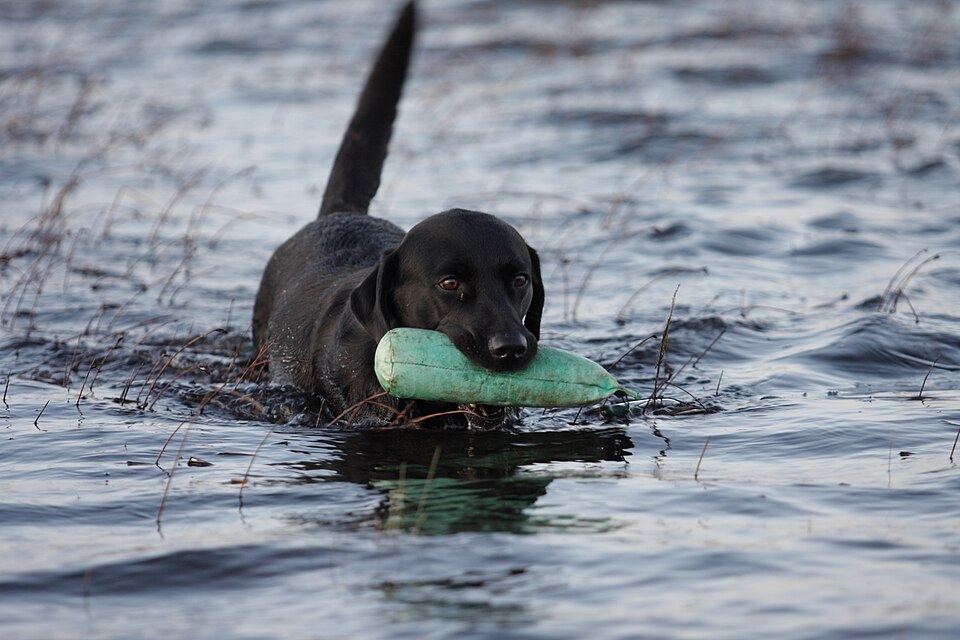
A cheerful, good-natured gundog that loves water, and today one of the most common breeds in the world as a family dog, guide dog and assistance dog. Its appetite can be enormous: keeping its weight in check is the most important way to protect its joints and its lifespan.

 Lifespan≈ 12–13 yearsUK data; varies by study
 Weight55–80 lb (25–36 kg)AKC: males 65–80 lb, females 55–70 lb
 Height≈ 22 in (55–57 cm)Royal Kennel Club ideal height
 OriginNewfoundlandCanada; developed in Britain
 CoatShort, densebrush weekly; it sheds
 Exercise2+ hours a dayRoyal Kennel Club guidance
 With kidsAffectionatebig and bouncy; supervise
 TrainingQuick learnervery keen on food rewards
With its short coat, "otter" tail and endless good cheer, the Labrador Retriever is one of the most recognizable dogs in the world. The Royal Kennel Club calls it the most popular of all pedigree breeds, a reputation it owes to how well it adapts to every role: family dog, guide dog, assistance dog and gundog. On this page we've pulled together its temperament, care needs and health issues from breed registry standards, animal welfare resources and scientific studies.
- Temperament: Good-natured, cheerful and eager to please; aggression or excessive shyness is considered out of character for the breed.
- Activity: The Royal Kennel Club recommends more than two hours of exercise a day; Labs love fetch, swimming and scent games.
- Weight comes first: Some Labradors carry a gene change that increases appetite and lowers energy use; measure every meal.
- Health: Hip and elbow dysplasia, cruciate ligament rupture and exercise-induced collapse (EIC) matter in this breed; ask about the parents' screening.
- Lifespan: About 12 to 13 years in UK studies.
What to know
 What is the Labrador Retriever like?
The Royal Kennel Club's standard describes the Labrador as intelligent, keen, biddable and with a strong will to please; it should be kindly, with no aggression or undue shyness. The standard also lists an excellent nose, a "soft mouth" that carries game without crushing it and a keen love of water among the breed's traits.
Labradors tend to make friends with everyone, so don't think of one as a guard dog. Because it was bred to work, it likes having a job, carrying things in its mouth and fetching. A young Lab that doesn't get enough exercise and stimulation may show it by chewing, jumping up or putting everything in its mouth.
Another well-known trait of the breed is its interest in food. For many Labradors, food is the most important thing in the world; that's a big plus in training, but it calls for constant attention to weight. In the "Diet and weight" section below, we explain the genetic side of this.
Every dog is an individual. Breed traits describe general tendencies; the parents' temperament, how a puppy was socialized and the training it gets shape its personality as much as its breed.
 Who is it a good fit for?
The Labrador is a good companion for active households that will spend time outdoors with their dog every day and treat it as part of the family.
| Situation | Good fit? |
|---|---|
| Apartment | Possible, but long daily walks and play are a must; it's a big, energetic dog |
| Family with kids | Usually a great match; it's big and bouncy, so supervise young children |
| Other dogs and cats | Most get along; early, calm introductions matter |
| Long hours alone | Struggles; a young Lab left alone all day gets bored |
| First-time dog owners | Good; easy to train, as long as you make time for exercise and weight control |
According to the Royal Kennel Club's description of the gundog group, their temperament makes these breeds good family companions. Still, children should be taught not to touch a dog's food, bed or sleep, and the dog needs a corner where it can retreat and rest. Our article on kids and dogs at home goes into detail.
Where does it come from?
Despite the name, the breed's roots lie on the Canadian island of Newfoundland. According to the Royal Kennel Club, dogs on this island, known for its fishing industry from the 1500s on, helped fishermen retrieve nets and lost lines and pulled carts loaded with fish. A smaller variety of these dogs was known as the "St. John's dog."
Crosses between these local dogs and the hunting dogs that English traders and fishermen brought to the island laid the foundation for the modern Labrador. Some of these dogs were brought back to England, where their retrieving skills caught the attention of the sporting gentry. One of the breed's early patrons, the Earl of Malmesbury, gave it its name, and the first breed club was founded in 1916.
Appearance and colors
The Labrador is a strongly built, broad-chested, short-coupled dog. The Royal Kennel Club standard calls for a very agile dog and specifically notes that this rules out excessive body weight. The skull is broad, and the eyes are brown or hazel.
- Height: Per the Royal Kennel Club standard, ideal height at the shoulder is 22–22.5 in (56–57 cm) for males and 21.5–22 in (55–56 cm) for females. The AKC gives 22.5–24.5 in (57–62 cm) for males and 21.5–23.5 in (55–60 cm) for females.
- Weight: According to the AKC, males weigh 65–80 lb (29–36 kg) and females 55–70 lb (25–32 kg). A UK study based on veterinary records found an average adult weight of 33 kg (about 73 lb): 35.2 kg for males and 30.4 kg for females.
- Coat: Short, dense, without wave or feathering, fairly hard to the touch, with a weather-resistant undercoat.
- Tail: The "otter tail," very thick at the base, tapering toward the tip and covered in short, dense hair, is a hallmark of the breed.
- Color: Solid black, yellow and liver/chocolate only. Yellow ranges from light cream to fox red.
The Royal Kennel Club treats dilute colors such as silver, charcoal and champagne as non-breed-standard. When choosing, let health screening and temperament be your guide, not color.
Daily care
The short coat makes Labrador care easy; the Royal Kennel Club considers grooming once a week enough. It does shed, though, and brushing more often during seasonal coat changes cuts down the hair in your home.
- Brushing: Once a week with a rubber brush or comb; more often during shedding season.
- Ears: In UK veterinary records, the most common problem in Labradors was outer ear inflammation (otitis externa, 10.4%). Dry the ears after swimming and baths, and show your vet any redness, odor or itching.
- Nails and teeth: Check nails regularly; get your puppy used to toothbrushing early.
- Paws: After walks, check between the toes for thorns and seeds.
For brushing and bathing tips, see our dog grooming guide.
Training and exercise
The Labrador is very trainable: it wants to please its person and almost always says yes to a food reward. As the Royal Kennel Club notes, it also works widely as a guide dog and assistance dog. Short, repeated sessions with rewards work best; just remember to take treats out of the daily food allowance.
- Early socialization: Give your puppy calm, positive experiences with different people, sounds and places.
- Leash manners: It grows into a very strong dog; teach loose-leash walking while it's small. Our loose-leash training article walks you through it.
- Recall: Water and scents can easily draw it away; practice coming when called regularly. Our recall training article can help.
- Fetch and swimming: Retrieving a ball, dummy or toy and swimming in safe water are this breed's favorite workouts. Dry the ears after a swim.
- Nose work: Its nose is excellent; having it find hidden treats tires the mind too. Our sniffing games article has ideas.
During fetch games, especially in hot weather, take frequent breaks. Some Labradors can collapse during intense, exciting exercise, starting with weakness in the hind legs (see EIC below). If you see this, stop the game right away.
 Diet and weight
Labradors don't need a special food; a complete, balanced dog food that suits their age and activity level is enough. But in this breed, how much matters more than anything.
A study published in 2016 found a small deletion (a gene change) in a gene called POMC in some Labradors. Dogs carrying this change were heavier, fatter and more food-motivated. About one in five of 383 Labradors from the UK carried one copy of the change. It was more common in Labradors selected as assistance dogs; the researchers suggest this may be because food-motivated dogs respond well to food-reward training. A 2024 study by the same research group showed that dogs carrying the change burn less energy at rest and feel a stronger urge to eat when they see food; in other words, these dogs both get hungrier and burn less.
This doesn't mean a Labrador is "doomed" to gain weight, but it does call for care:
- Measure food instead of eyeballing it; set the daily amount with your vet based on your dog's ideal weight.
- Count training treats as part of the daily amount; you can use part of the regular food as rewards.
- If you can feel the ribs under a thin layer of fat and see a waist when you look from above, the weight is about right.
- Weigh your dog once a month. In UK veterinary records, overweight was recorded more often in neutered males than in intact males; talk to your vet about changing needs after neutering.
- Prevent fast, excessive weight gain in puppyhood; ask your vet about large-breed puppy feeding.
Trash cans and countertops are a big temptation for this breed; check our list of foods you should never give a dog and keep dangerous foods out of reach.
 Health issues to know about
The Labrador is generally considered a sturdy dog, but some problems are more common in this breed. The information below is for awareness only; ask your vet about diagnosis and treatment.
Hip and elbow dysplasia
When the hip and elbow joints develop abnormally during growth, painful arthritis follows over time. According to UFAW, fragmented medial coronoid process (FCP), a form of elbow dysplasia, is common in Labradors and is thought to affect 17 to 21% of them; arthritis often begins within the first year. The Royal Kennel Club recommends hip and elbow X-ray screening before breeding. Show your vet if you notice limping, trouble getting up or avoiding stairs.
Cruciate ligament rupture
The cranial cruciate ligament in the knee can wear down and tear over time. According to UFAW, Labradors are 2 to 5 times more prone to this problem than other breeds. Hind-leg lameness, sudden or gradual, is the most common sign.
Exercise-induced collapse (EIC)
According to the University of Saskatchewan's veterinary college, EIC is an inherited nervous system disorder in Labradors. Affected dogs are usually completely normal; but during intense, exciting exercise, especially in warm weather, they can collapse, starting with weakness in the hind legs. The collapse can get worse for a few minutes after exercise stops. More than 80% of affected dogs collapse at least once before age 3. The condition is recessive: a dog must inherit the change from both its mother and its father to be affected. Carriers are healthy. A DNA test shows whether a dog is clear, a carrier or affected, and the Royal Kennel Club recommends it for breeders.
Eye and other inherited conditions
The Labrador is among the breeds at risk for the inherited retinal disease PRA (progressive retinal atrophy). Besides PRA, the Royal Kennel Club recommends DNA tests for centronuclear myopathy (CNM, a muscle disease), skeletal dysplasia (SD2) and corneal and retinal diseases, plus an eye exam. UFAW's list also includes atopic dermatitis (an allergic skin disease), copper-associated chronic hepatitis and Addison's disease (adrenal insufficiency).
- Wobbling, dragging the hind legs or collapse during exercise
- A rapidly swelling belly, or retching without bringing anything up
- Sudden limping, or not putting weight on a leg at all
- You suspect it has eaten something toxic
How long does it live?
A 2024 study using data on about 585,000 dogs from 18 UK sources found a median lifespan of 13.1 years for the Labrador; in the same study, crossbreeds had a median of 12.0 years. Another study from 2022, based on veterinary clinic records (VetCompass), found a life expectancy at birth of 11.77 years for Labradors and 11.82 years for crossbreeds. The AKC gives 11 to 13 years.
The two studies give different numbers because they cover different dogs and use different methods; together they show that Labradors often reach 12 to 13 years. In a 2018 UK study, chocolate Labradors had a shorter median lifespan (10.7 years) than other colors (12.1 years); but there were few chocolate dogs in the sample, so the result should be read with caution. A healthy weight, regular vet checkups and catching joint problems early are the most practical ways to help a Lab live longer.
 Before you get one
- Consider a shelter: Purebred dogs end up in shelters and rescues too. Our guide to adopting a shelter dog covers the first steps.
- If you buy from a breeder: Ask to meet the parents, and ask for hip and elbow X-ray results, an eye exam and DNA tests such as EIC, PRA and CNM. Make sure the puppies are raised with their mother in a home environment.
- Red flags: Steer clear of sellers who won't show you the mother, always have puppies available, can't provide paperwork, charge extra for non-standard "rare colors" or rush you.
- Time: Be ready for up to two hours of activity a day and regular training.
- Registration: Rules vary by country; many places require or recommend microchipping. In Türkiye, owned dogs must be microchipped and registered in the PETVET system.
- The first days: Our guide to the first week with a new puppy covers the first night and first week.
Frequently asked questions
Why does my Labrador always act hungry?
Interest in food is strong in this breed to begin with, and some Labradors also carry the POMC gene change, which increases appetite and lowers energy use. "Looking hungry" doesn't mean the dog really is hungry. Measure its food and track its weight regularly.
Do Labradors shed a lot?
They have short coats, but they do shed. Brushing once a week is usually enough; brushing more often during shedding season cuts down the hair in your home.
Is there a personality difference between yellow, black and chocolate Labs?
Color doesn't determine temperament; the parents' temperament and how the puppy was raised matter much more. One UK study found a shorter median lifespan in chocolate Labs, but the sample was small.
Can I keep a Labrador in an apartment?
You can, but daily long walks, play and mental work are a must. The Royal Kennel Club recommends more than two hours of exercise a day; time spent outside matters more than the size of your home.
What's the difference between a Labrador and a Golden Retriever?
Both are retrievers, and their temperaments are similar. The Labrador's coat is short and dense, the Golden's long and feathered. Labradors come in black, yellow and chocolate. See our Golden Retriever page for details.
Sources
- The Royal Kennel Club (UK) · Retriever (Labrador): breed profile and health screening
- The Royal Kennel Club · Retriever (Labrador) breed standard
- AKC (American Kennel Club) · Labrador Retriever breed profile
- McGreevy et al. · Labrador retrievers under primary veterinary care in the UK: demography, mortality and disorders, Canine Genetics and Epidemiology (2018)
- Raffan et al. · A deletion in the canine POMC gene is associated with weight and appetite in obesity-prone Labrador retriever dogs, Cell Metabolism (2016)
- Dittmann et al. · Low resting metabolic rate and increased hunger due to β-MSH and β-endorphin deletion in a canine model, Science Advances (2024)
- University of Saskatchewan, Western College of Veterinary Medicine · Exercise-induced collapse (EIC)
- Science for Animal Welfare (UFAW) · Labrador Retriever: Elbow dysplasia (FCP)
- Science for Animal Welfare (UFAW) · Labrador Retriever: Cranial cruciate ligament rupture
- McMillan et al. · Longevity of companion dog breeds: those at risk from early death, Scientific Reports (2024)
- Teng et al. · Life tables of annual life expectancy and mortality for companion dogs in the United Kingdom, Scientific Reports (2022)
- Resmî Gazete (Türkiye) · Regulation on the identification and registration of cats, dogs and ferrets (February 26, 2018)
By Tüylüm · Last checked: November 3, 2026. Compiled from the sources above and written in our own words. Spotted a mistake? Write to [email protected] and we'll fix it right away. Photo from Wikimedia Commons, used under the license shown below it.